The booking form is pre-filtered to this ferry company where supported. Choose the route, date, passengers and vehicle details to compare available sailings. Click Here to view all other ferry operator routes and destinations.
Check the selected route, passengers, vehicle details and travel date before completing the reservation.
Passenger and vehicle ferry services across northern Europe
About the operator
A large European ferry network with very different types of crossing
DFDS has moved goods and people since 1866 and today combines passenger ferry travel with a much
larger freight and logistics network. For leisure travellers, the most important point is that DFDS
is not one single ferry product: the company operates everything from high-frequency English Channel
crossings to overnight North Sea and Baltic journeys.
The current passenger network includes Dover–Calais and Dover–Dunkirk, Newhaven–Dieppe,
Newcastle–Amsterdam, Rosslare–Dunkirk, Jersey connections with Poole, Portsmouth and St Malo, and
Baltic links between Kiel and Klaipeda, Karlshamn and Klaipeda, and Kapellskär and Paldiski.
That breadth means booking decisions should be route-specific. Dover–France is a short
vehicle-focused crossing with frequent departures, Newcastle–Amsterdam is an overnight cruise-ferry
journey with cabins, Rosslare–Dunkirk is a long direct Ireland–France service, while Baltic routes
combine passengers, vehicles and freight on longer sea passages.
Route context: DFDS has changed its passenger portfolio over time. FerryEU describes the routes currently promoted through DFDS passenger channels rather than assuming every historic DFDS route remains available.
From short Channel hops to overnight seas
DFDS ferry routes
DFDS passenger services span several distinct markets. The six routes below show the main travel
patterns; the current network also includes Jersey services and the Baltic routes Kiel–Klaipeda and
Kapellskär–Paldiski.
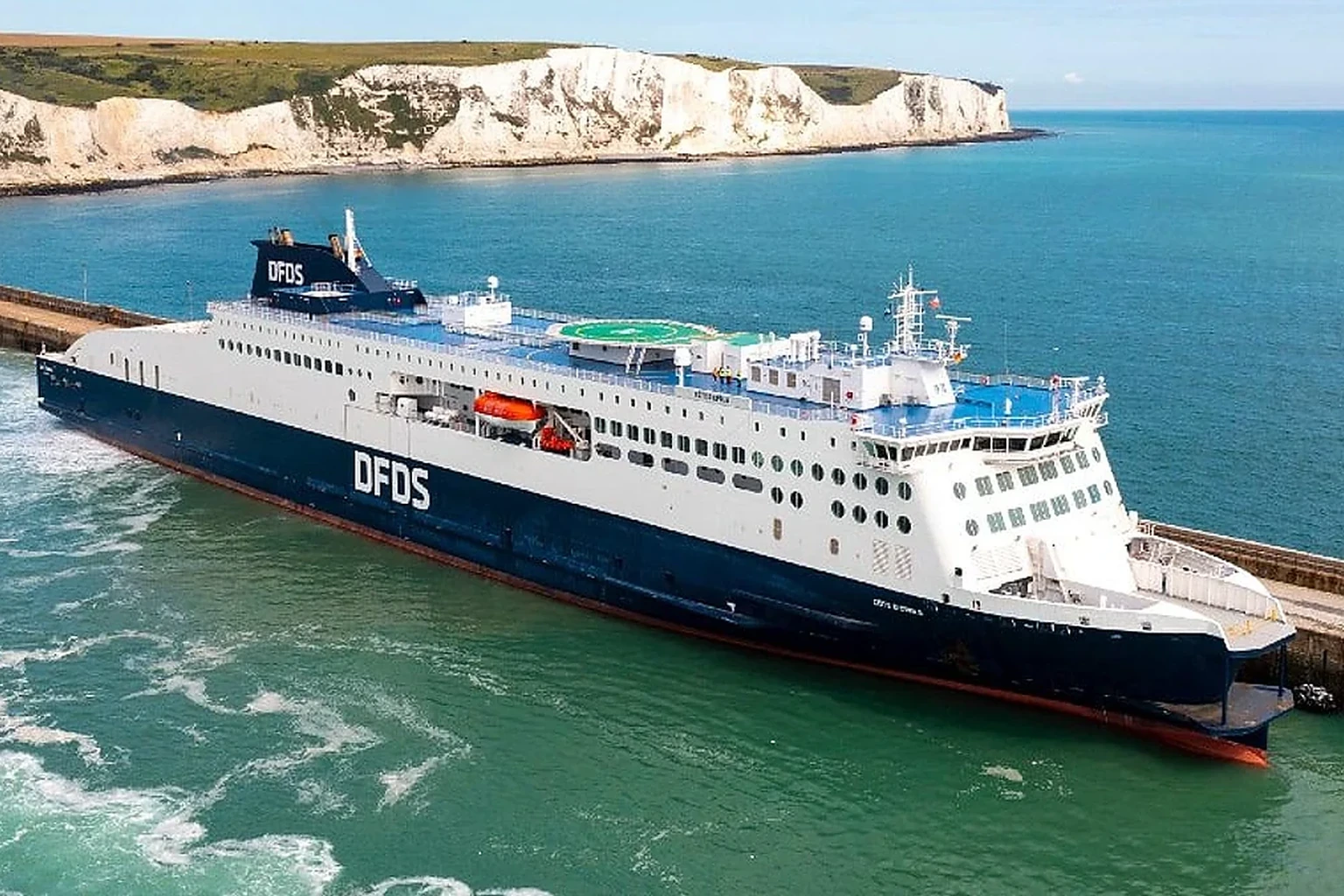
Up to 30 dailyFast Channel crossing
England
Dover
France
Calais
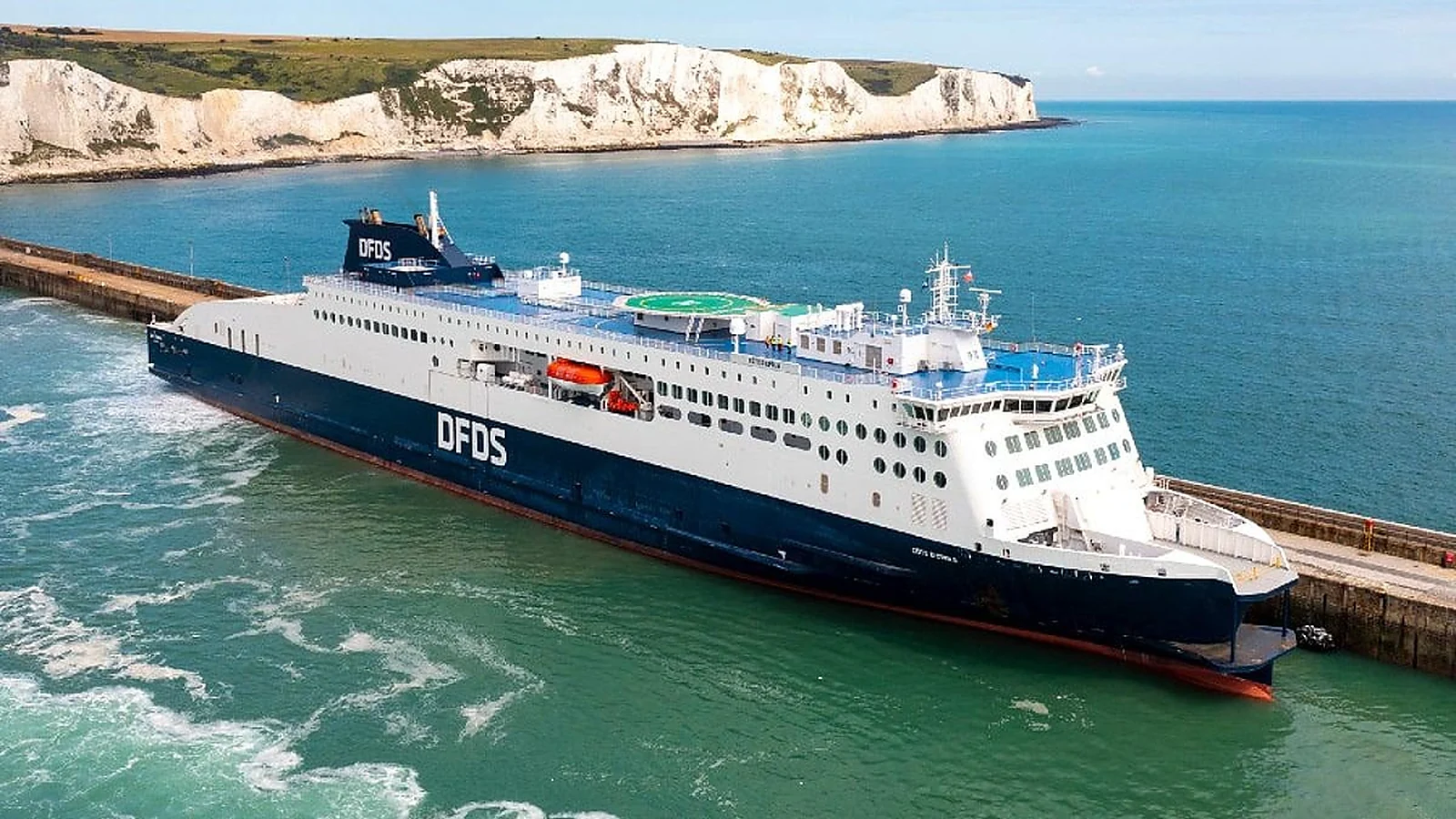
DFDS publishes a crossing time of about 100 minutes between Dover and Calais, making this the
company’s fastest UK–France route. It is designed for vehicles rather than foot passengers.
Vehicle passengers only
Frequent departures across the day
Food, duty-free shopping and lounge options onboard
The Newcastle–Amsterdam service is a daily overnight route of about 16 hours 45 minutes. It combines
transport with private en suite cabins, restaurants, bars and entertainment.
Travel with or without a vehicle
Private cabin is central to the overnight product
Useful gateway for Holland and onward European road trips
Rosslare–Dunkirk gives vehicle travellers a direct route between Ireland and continental Europe
without travelling through Britain. The long crossing includes cabin accommodation and meals in the
fare.
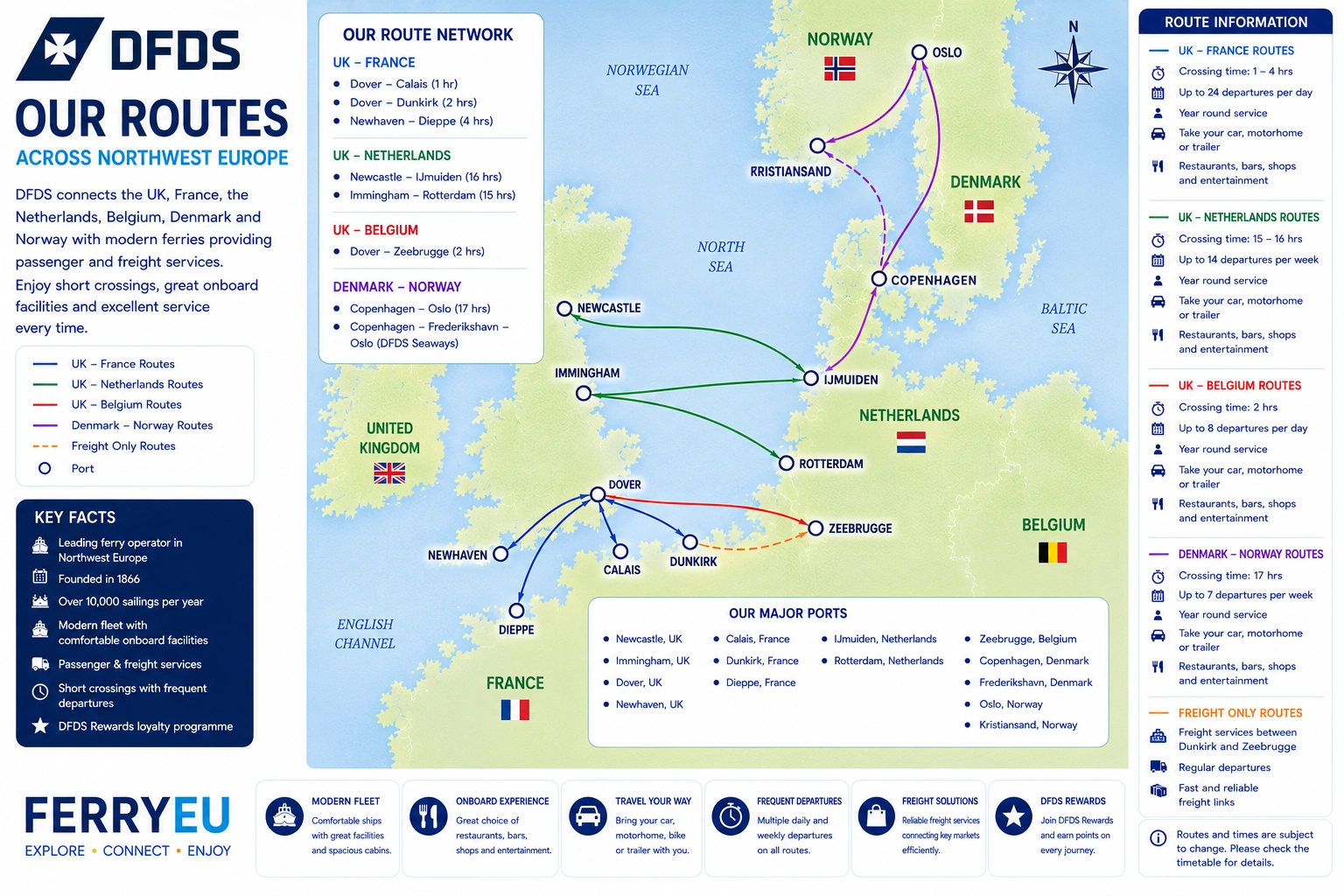
This schematic summarises the three representative current route groups described above. It is not a
complete network map or timetable; the live operator booking result is definitive.
For planning with DFDS, use the map to compare the representative route groups above, including
Dover–Calais, Newcastle–Amsterdam, Rosslare–Dunkirk. It is most useful for judging which departure
or arrival point best fits the rest of the journey rather than as a substitute for the live
timetable.
After choosing the most practical route, compare the live DFDS sailing for departure time, calling
pattern, passenger requirements and the facilities or accommodation shown for that service. The
complete itinerary and arrival location can matter more than a small difference in the headline
fare.
DFDS routes vary widely in check-in time, foot-passenger acceptance, cabin requirements and onboard
facilities. Compare the exact route rather than applying the rules of one crossing to another.
Illustrative DFDS route map. Routes and operating patterns can change; check the live timetable for your date.
Three sides of the DFDS network
Ports worth building a trip around
DFDS serves very different travel markets, so the best port depends on whether you want a fast
Channel crossing, an overnight city-to-city ferry or a Baltic road-trip connection.
Channel gateway
Dover
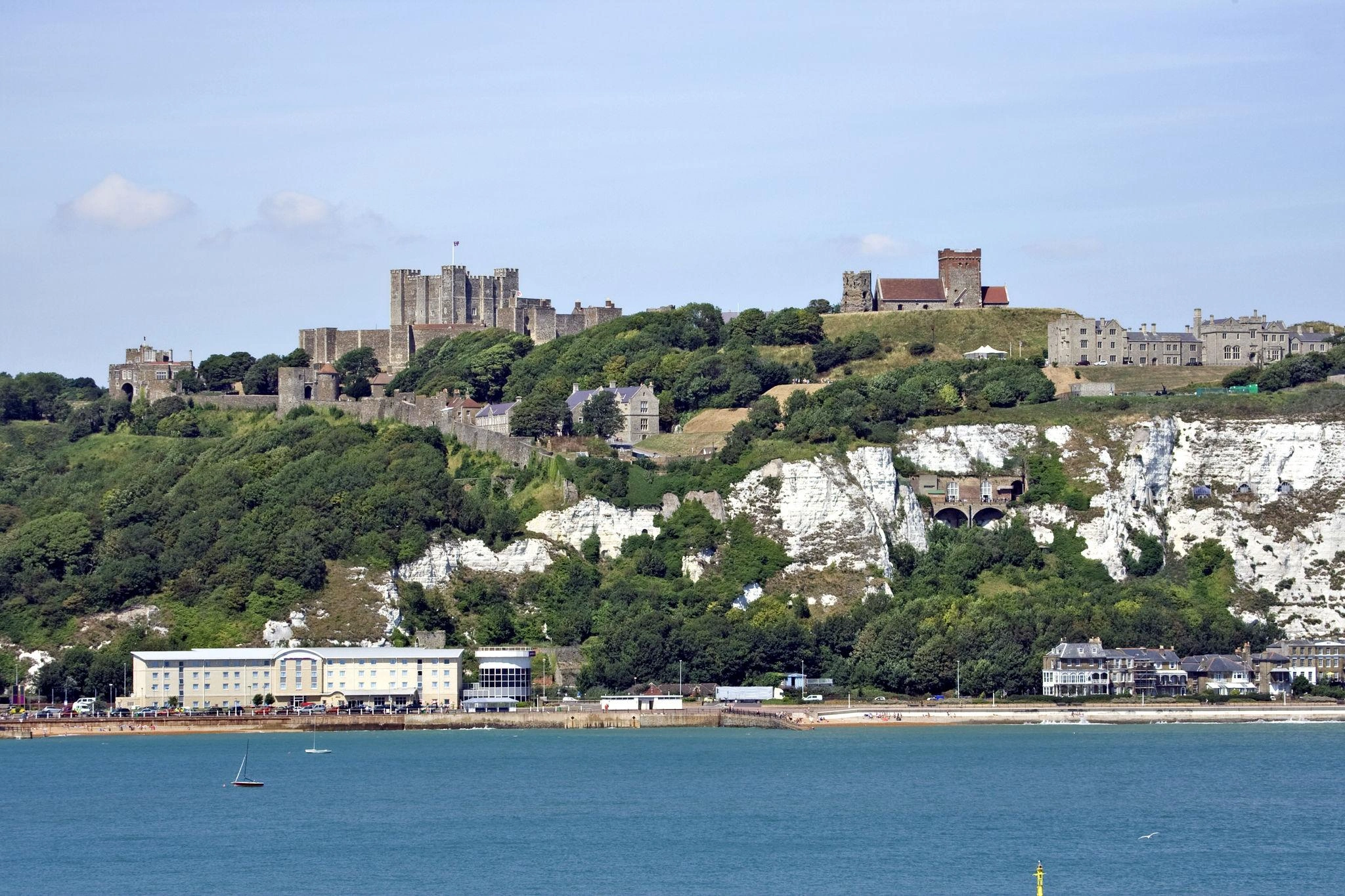
Dover is DFDS’s high-frequency UK gateway to both Calais and Dunkirk. These routes are designed for
vehicle passengers and place drivers directly onto the continental road network.
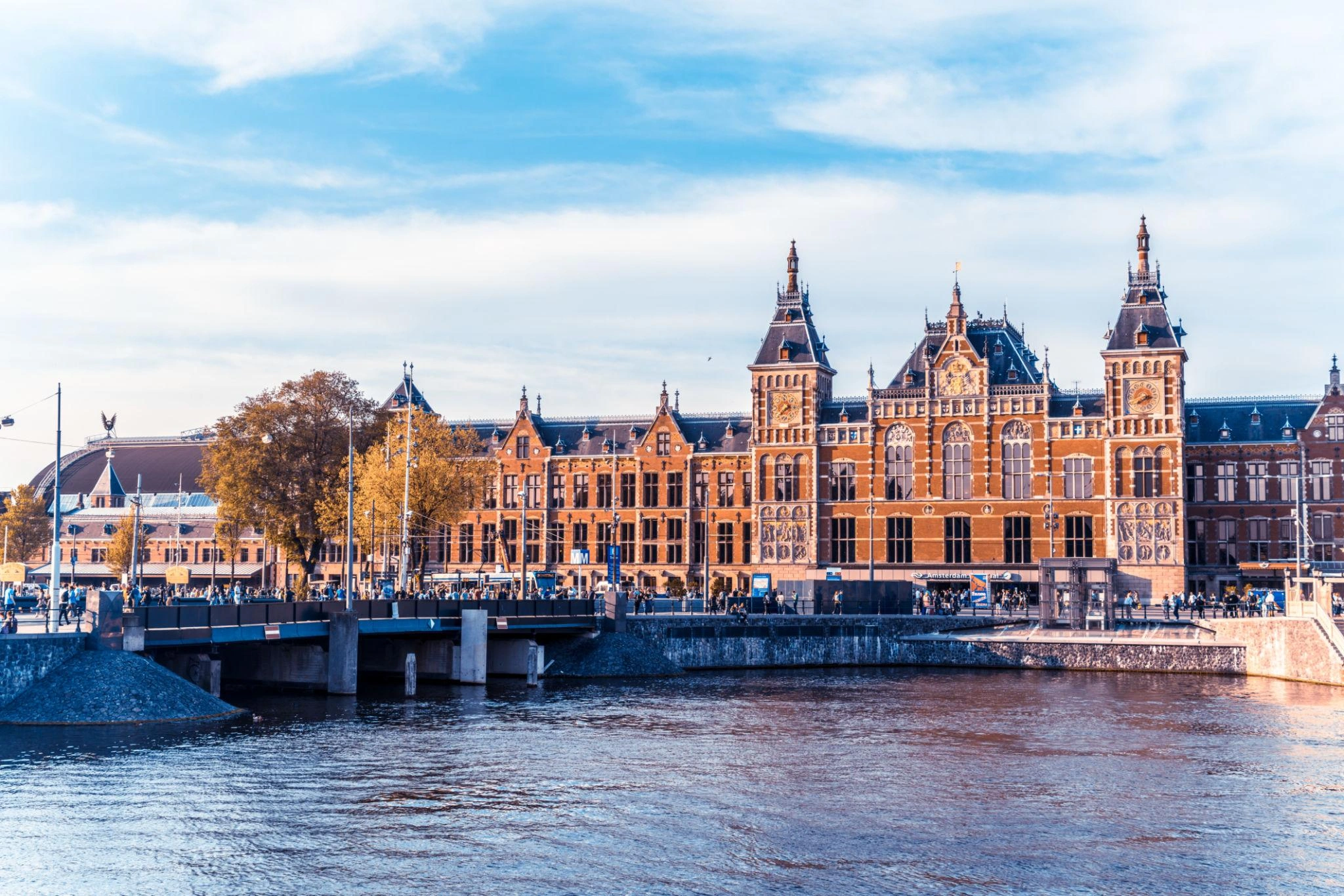
The Newcastle route arrives at IJmuiden for onward transfer towards Amsterdam. It is equally useful
for city breaks and road trips into the Netherlands, Belgium, Germany and beyond.
Klaipeda is central to DFDS’s Baltic passenger network, with ferry links to Karlshamn in Sweden and
Kiel in Germany. It is a practical starting point for Lithuania and wider Baltic touring.
DFDS currently connects Jersey with Poole, Portsmouth and St Malo. Those crossings have their own
vessel types, check-in arrangements and onboard products, so use the live itinerary rather than
assuming the Channel or North Sea rules apply.
Route-specific comfort
Seats, lounges and cabins
DFDS accommodation changes dramatically by crossing. A 100-minute Dover ferry is a day-travel
product, while Newcastle–Amsterdam, Rosslare–Dunkirk and Baltic routes are designed around overnight
cabin accommodation.
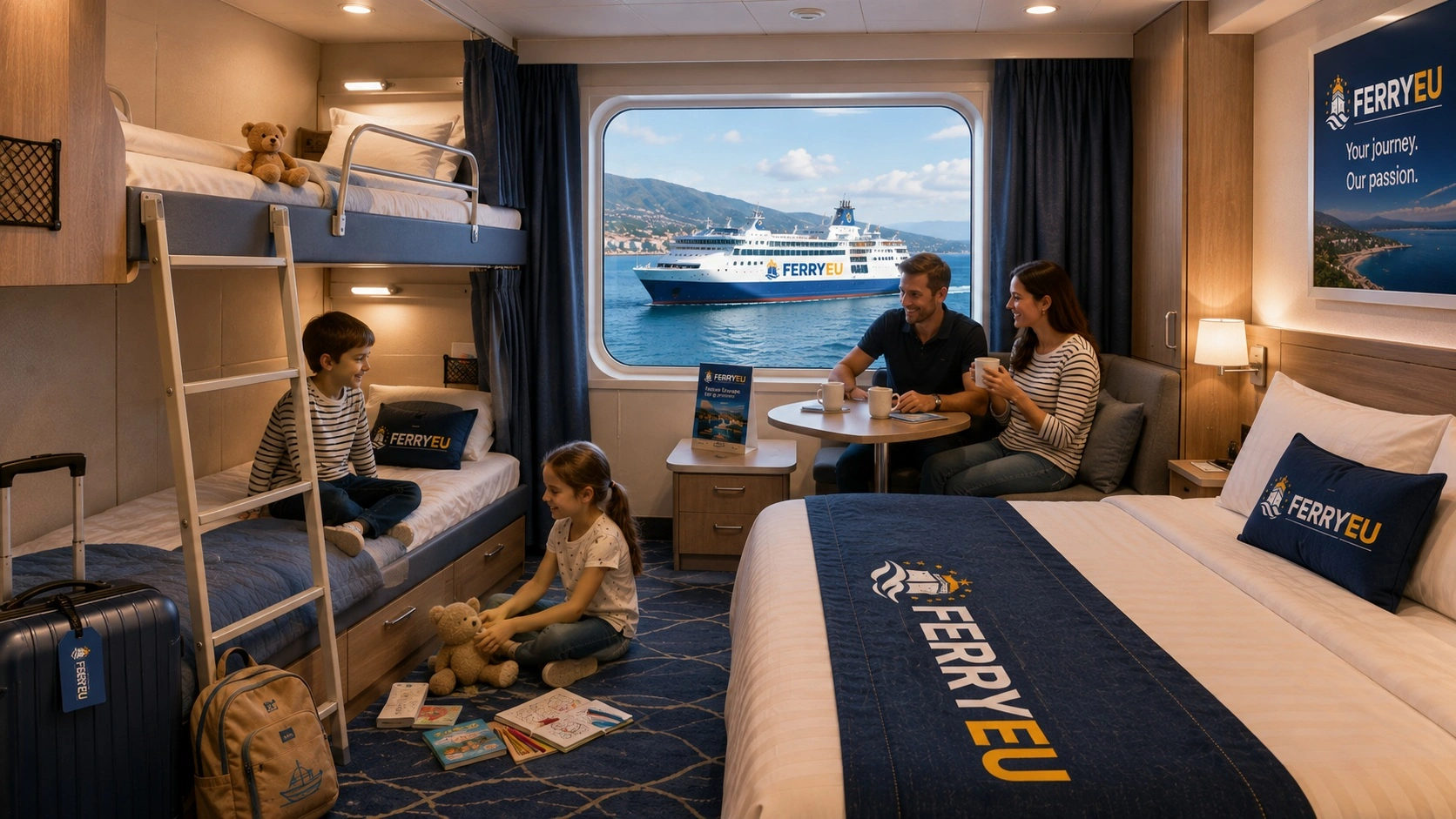
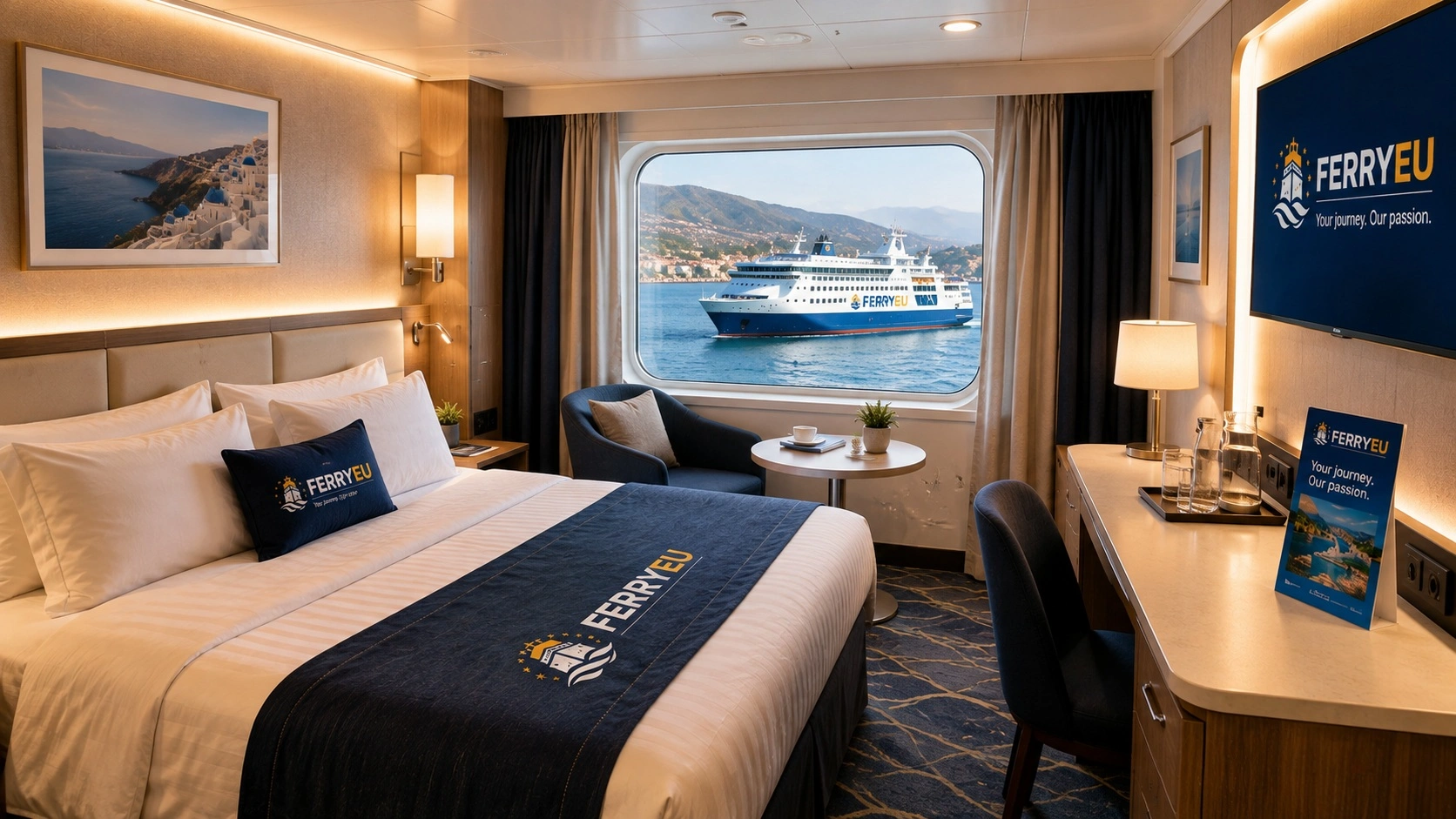
Private en suite cabins are central to DFDS overnight routes. Premium cabin categories can add more space, comfort and sea views.
Standard en suite cabins
Longer DFDS routes offer private cabins in several berth configurations. Inside categories are
normally the value choice, while outside cabins add windows and sea views.
Best considered forOvernight journeys and private rest
Premium and upgraded cabins
Some ships offer higher-grade cabins with more space, upgraded furnishings or added services.
Product names differ by route and vessel.
Best considered forTravellers wanting more space and comfort
Reclining seats
Newhaven–Dieppe offers reclining-seat travel as an alternative to a private cabin. Check the
selected sailing because seating products are not identical across DFDS routes.
Best considered forLower-cost travel on eligible sailings
Premium lounges
Shorter routes can offer premium lounge upgrades rather than cabins. Dover–France and selected
Jersey sailings are examples where a lounge can add quiet space and refreshments.
Best considered forShorter crossings where extra comfort matters
Pet-friendly accommodation
Depending on route, DFDS offers pet-friendly cabins, dog kennels or other approved arrangements.
Never book an ordinary cabin for a pet unless the selected product explicitly permits it.
Best considered forTravelling with pets on overnight routes
Short-crossing day travel
Dover–Calais and Dover–Dunkirk focus on lounges, restaurants, shops and public seating rather than
overnight accommodation. The journey itself is short enough to remain a daytime experience.
Best considered forDaytime Channel and regional crossings
Cabin booking tip
Search early for summer weekends and school-holiday dates. A cabin category can sell out even when
passenger and vehicle space remains available, and a last-minute upgrade should never be assumed.
The crossing is part of the journey
Food, lounges, shopping and family facilities
Onboard facilities range from simple short-crossing cafés to restaurants, bars, entertainment and
private-cabin services on DFDS’s overnight routes.
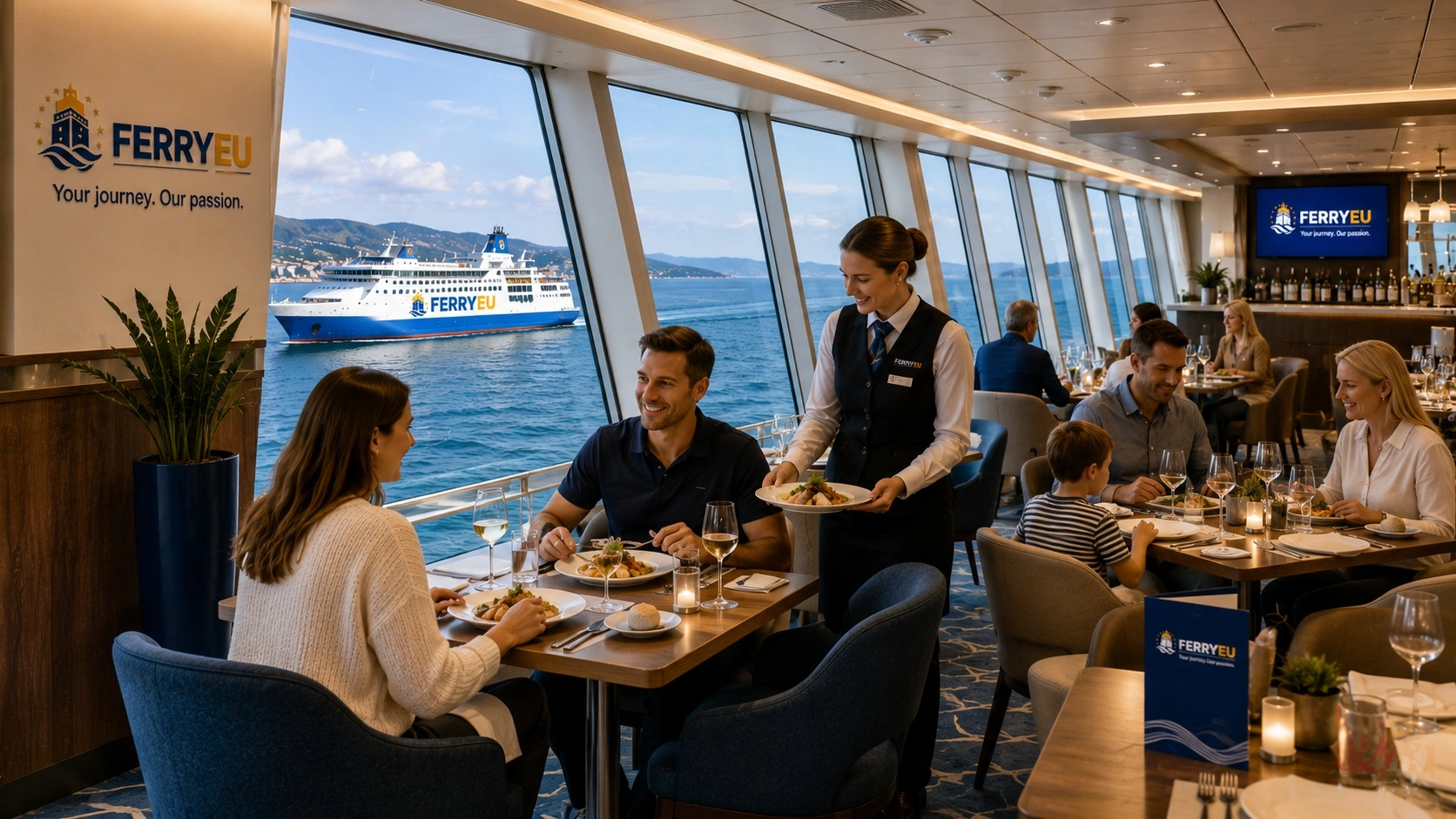
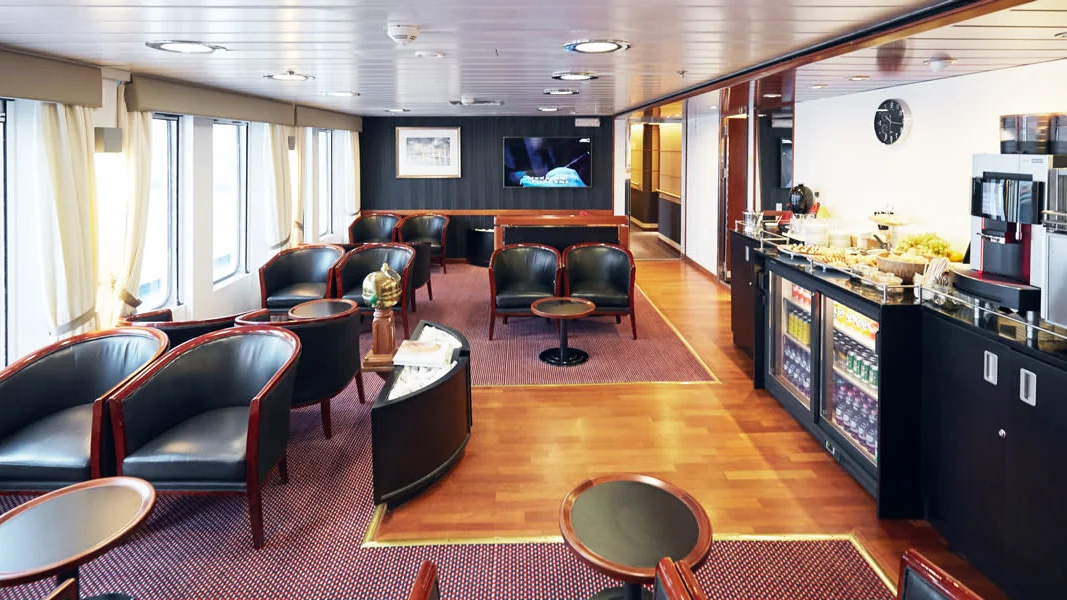
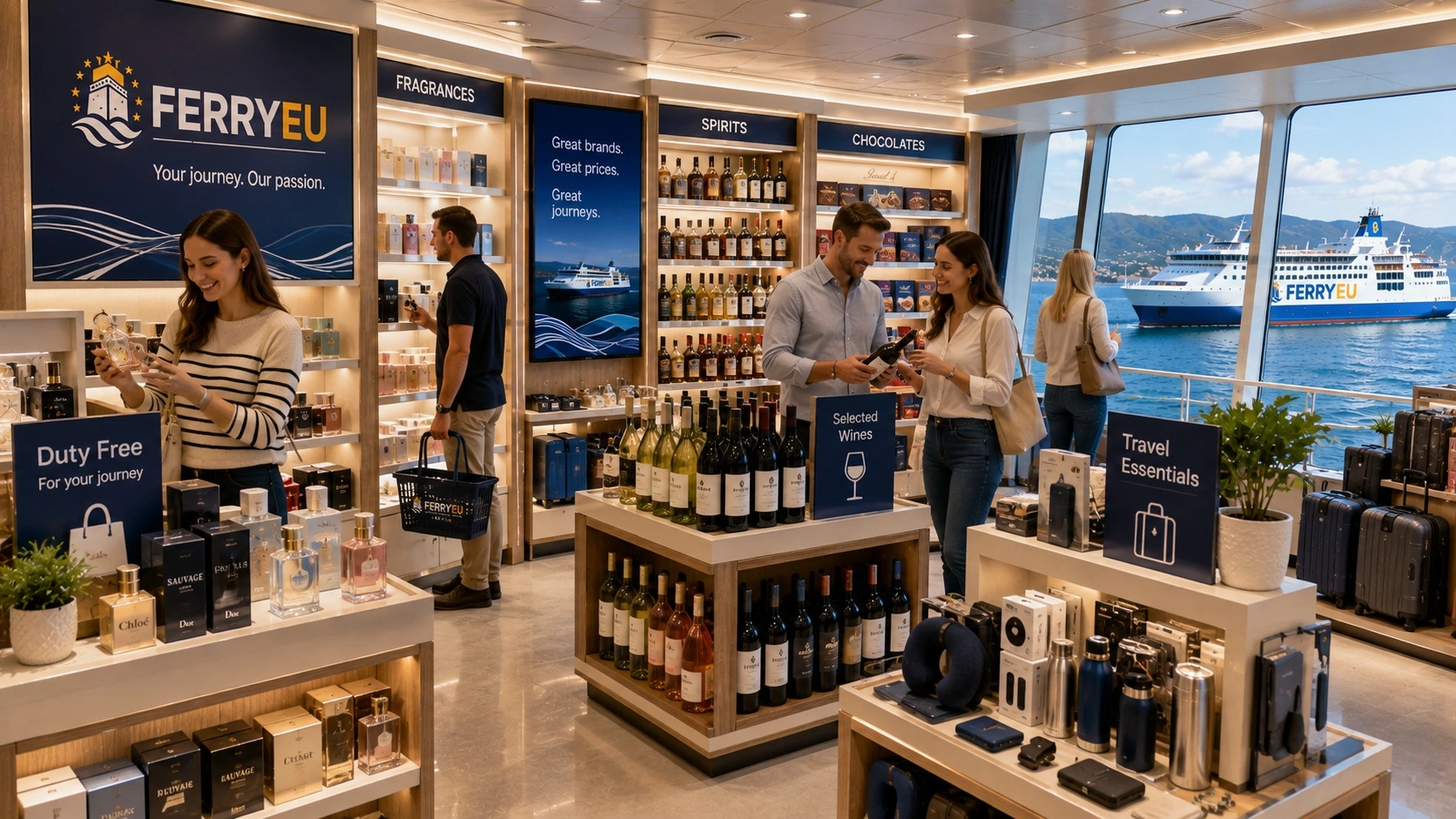
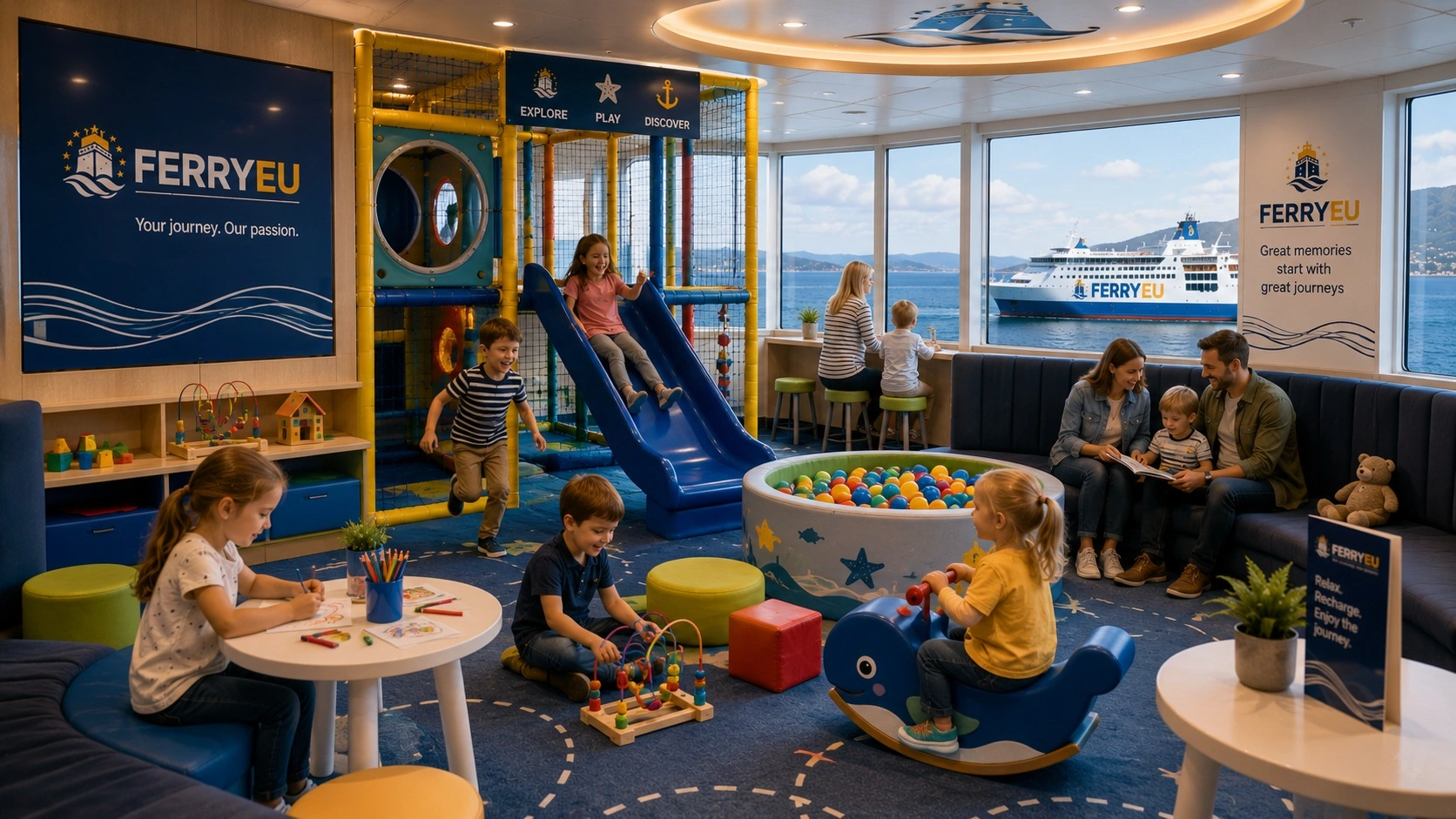
Dining ranges from casual meals to buffet and restaurant options on longer routes. Lounges provide comfortable space for relaxing between ports. Shopping is a major feature on Channel, North Sea and Jersey services. Family facilities vary by ship and are especially useful on longer sailings.
Food & drink
Catering varies by vessel and sailing.
Lounges & seating
Passenger lounge layouts vary by vessel.
Wi-Fi
Connectivity depends on vessel and route.
Luggage
Keep luggage within the operator’s published allowance.
Family facilities
Family facilities are vessel-dependent.
Assistance
Ask the operator in advance when assistance is required.
This section combines genuine operator imagery with selected images from FerryEU's general
ferry-travel library. Facilities and layouts vary by ship and sailing.
Bring the road trip with you
Cars, campervans, bicycles and pets
Vehicle carriage is one of DFDS’s main strengths, but route rules differ. Dover–France requires a
vehicle, while Newhaven, Newcastle, Jersey and selected Baltic services also accept foot passengers.
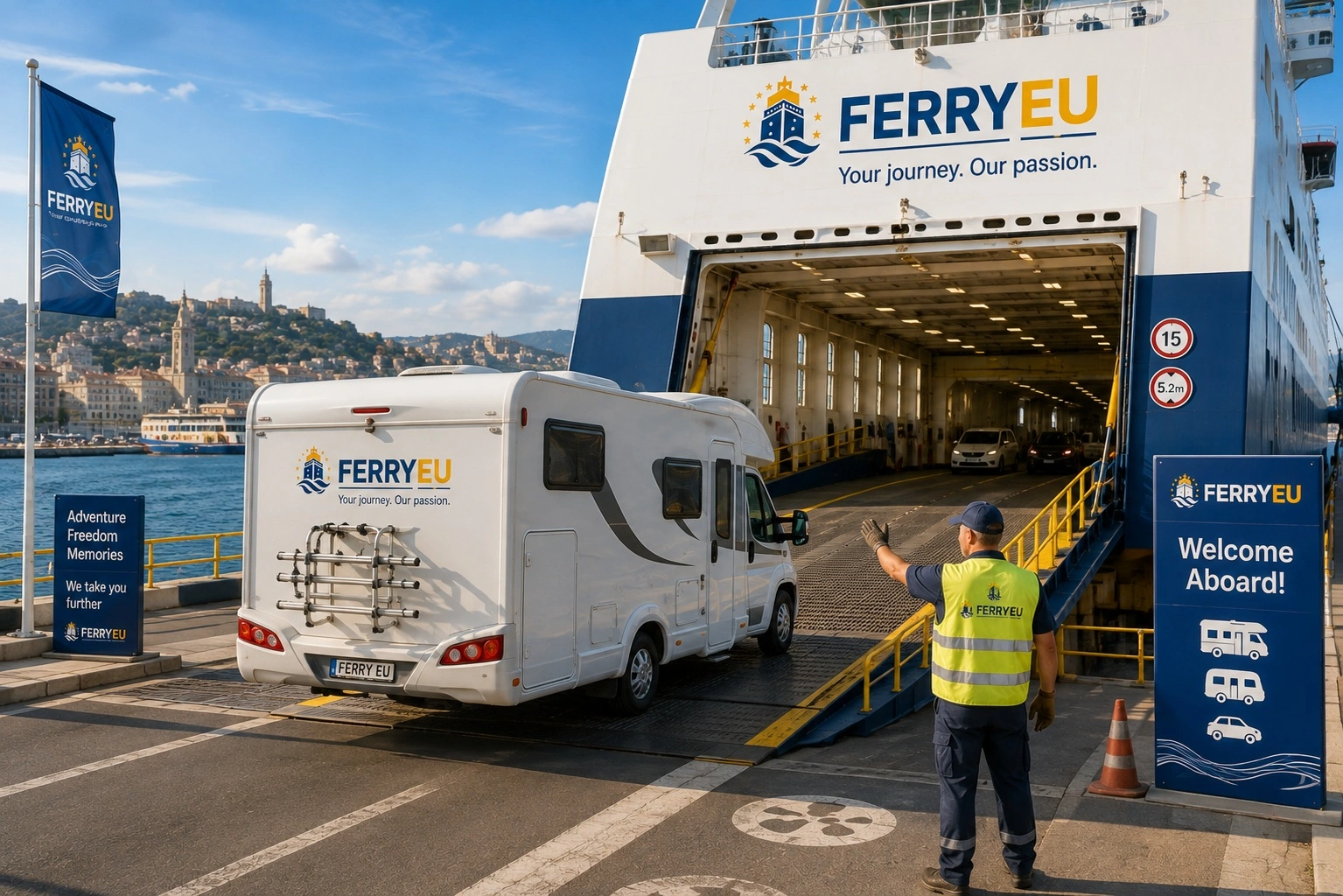
Campervans and motorhomes should be booked with their full travelling dimensions. Vehicle type and any special fuel or safety requirements must be declared correctly. Pet arrangements range from cabins and kennels to approved vehicle travel, depending on route.
Cars, motorcycles and touring vehicles
Enter the correct DFDS vehicle category and dimensions, including roof racks, bicycle carriers, tow
bars, caravans and trailers.
Dover–France services require a vehicle
Longer routes are well suited to road trips with luggage
Incorrect dimensions can lead to charges or boarding problems
Bicycles, trailers and special loads
Bicycles are accepted on appropriate passenger routes, while trailers and caravans must be reserved
with the correct dimensions. Availability can be tighter on seasonal or fast-ferry services.
Select bicycles where the booking flow provides the option
Include rear carriers in total vehicle length
Check route-specific limits before arriving at port
Travelling with pets
DFDS welcomes pets on many routes. Accommodation may be a pet-friendly cabin, kennel or approved
vehicle arrangement, and international pet documentation must be correct.
Pet microchips and documents are checked on relevant routes
Dogs may not be permitted to remain in vehicles on some crossings
Book pet accommodation before capacity fills
Reduced mobility and assistance
DFDS provides assistance in port and onboard. Notify the operator at booking or no later than 48
hours before departure so suitable support can be arranged.
State mobility and medical equipment requirements clearly
Accessible accommodation is limited on some routes
Allow additional time for assisted boarding
Before you reach the port
Check-in, documents and boarding
DFDS check-in rules are route-specific. The safest approach is to use the deadline printed on the
booking confirmation and add extra time for border controls, peak-season traffic, pets or
accessibility assistance.
Keep passports, booking references and route-specific documents ready before entering the check-in lane. Allow extra time for security and border controls on international routes.
Recommended travel sequence
When booking
Choose the exact route and vehicle type
DFDS products differ by crossing. Enter passenger names, vehicle dimensions, trailers, pets and
accommodation accurately before payment.
48 hours before
Confirm accessibility or special assistance
If assistance is required, notify DFDS no later than 48 hours before departure where possible so
port and onboard support can be prepared.
Before travel
Check live travel information
Review your booking confirmation, departure port, local-time schedule and any live travel updates.
Weather and port operations can alter sailings.
Route-specific deadline
Arrive before check-in closes
Dover–France typically closes 60 minutes before departure and Newhaven–Dieppe 45 minutes before.
Baltic and overnight routes can require 60–90 minutes or more. Your confirmation takes priority.
During boarding
Follow security and crew instructions
Have passports, pet documents and booking details ready. Vehicle passengers proceed through the
designated lanes and are directed to the correct deck position.
Is DFDS the right fit?
When DFDS can be a practical choice
DFDS is especially useful when your trip benefits from taking a vehicle. Dover gives very
high-frequency access to northern France, Newcastle–Amsterdam creates an overnight bridge from
northern Britain into continental Europe, and the Baltic routes can remove long overland detours
around the sea.
The best DFDS route depends on the entire itinerary rather than the ferry fare alone. Compare
driving time to the departure port, final road distance after arrival, cabin or lounge costs,
check-in deadlines and whether foot passengers are accepted.
For longer crossings, the onboard product becomes part of the value calculation. A private cabin,
inclusive meals or a direct overnight route can offset hotel costs, extra driving and road tolls
even when the base ferry fare looks higher.
Common planning questions
DFDS FAQs
Which passenger routes does DFDS operate?
DFDS operates passenger services across the English Channel, North Sea, Ireland-France, Jersey and
Baltic markets. Key routes include Dover-Calais, Dover-Dunkirk, Newhaven-Dieppe,
Newcastle-Amsterdam, Rosslare-Dunkirk, Jersey links to Poole, Portsmouth and St Malo, plus Baltic
routes such as Kiel-Klaipeda, Karlshamn-Klaipeda and Kapellskar-Paldiski.
Can foot passengers travel on DFDS ferries?
Foot-passenger rules depend on the route. DFDS does not accept foot passengers on Dover-Calais or
Dover-Dunkirk, while Newhaven-Dieppe, Newcastle-Amsterdam and selected Baltic and Jersey routes
accept passengers without a vehicle.
How long is the Dover to Calais ferry with DFDS?
DFDS publishes a crossing time of about 100 minutes on Dover-Calais. Weather, port traffic and
operational conditions can affect the actual journey.
How long is Newcastle to Amsterdam with DFDS?
The daily Newcastle-Amsterdam crossing is an overnight journey of about 16 hours 45 minutes. A
private cabin forms part of the standard overnight travel experience.
Can I take a car, campervan or motorcycle on DFDS?
Yes on the main vehicle-ferry routes. The correct vehicle category and full dimensions, including
racks, tow bars, trailers or roof loads, should be entered when booking.
Are cabins available on DFDS ferries?
Cabins are central to longer DFDS crossings such as Newcastle-Amsterdam, Rosslare-Dunkirk and Baltic
routes. Newhaven-Dieppe also offers cabins as an upgrade, while short Dover-France crossings focus
on lounges and day-travel seating rather than overnight cabins.
Can pets travel with DFDS?
Yes on many routes, but the permitted arrangement varies by ship and crossing. Options can include
pet-friendly cabins, kennels or remaining in a vehicle for suitable pets. Required microchip and
travel documents are checked on relevant international routes.
How early should I arrive for a DFDS ferry?
Check-in deadlines vary by route. DFDS typically closes check-in 60 minutes before Dover-France
departures and 45 minutes before Newhaven-Dieppe; Baltic and overnight routes can require longer.
The booking confirmation is the definitive source for your sailing.
Does DFDS provide accessibility assistance?
Yes. DFDS asks passengers who require special assistance to advise the operator when booking or no
later than 48 hours before departure so boarding and onboard support can be arranged.
Does DFDS currently sail to Jersey?
Yes. DFDS operates passenger routes connecting Jersey with Poole, Portsmouth and St Malo, with both
vehicle and foot-passenger options depending on the crossing.



 UK & Europe
 Short & overnight routes
 Channel to Baltics