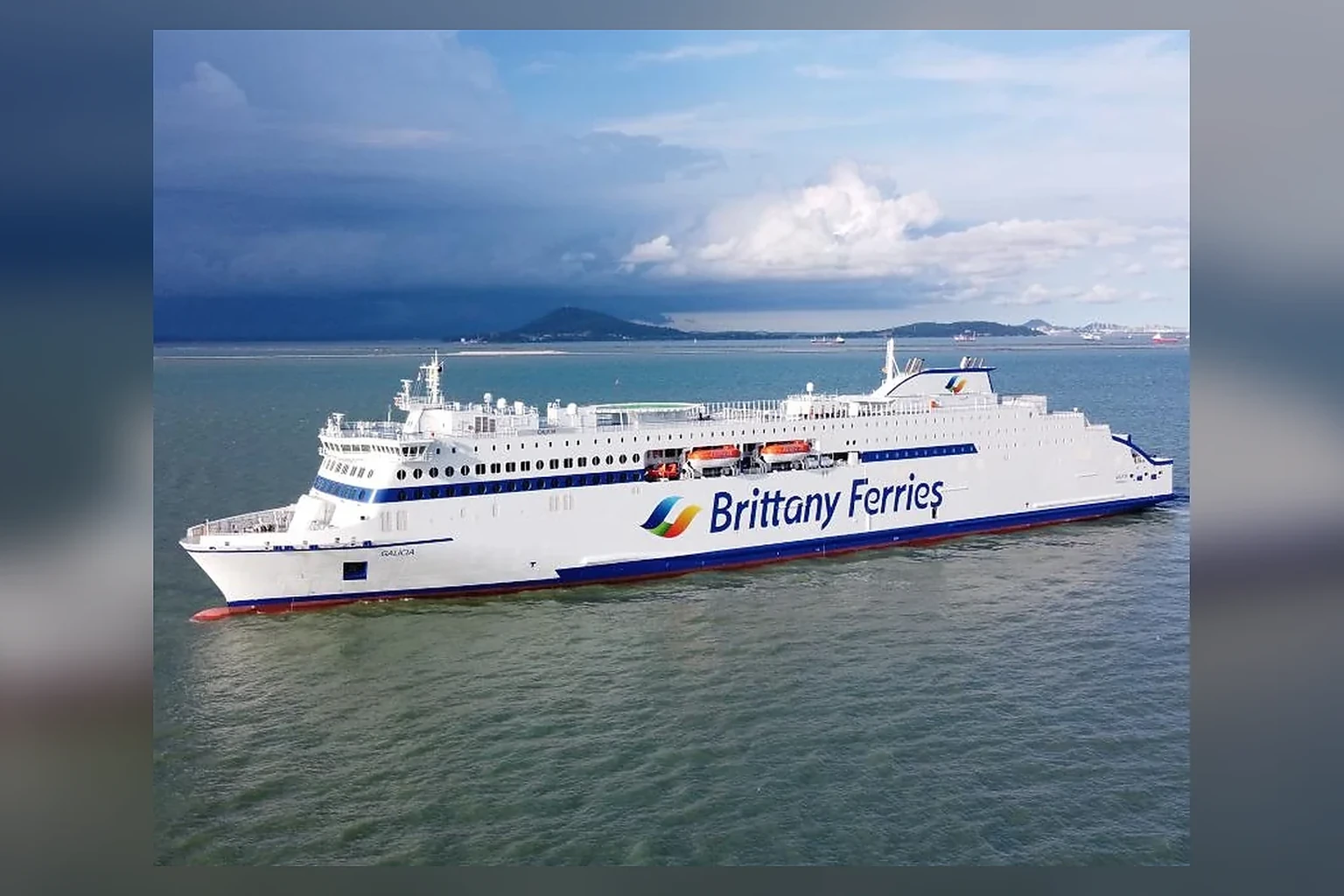
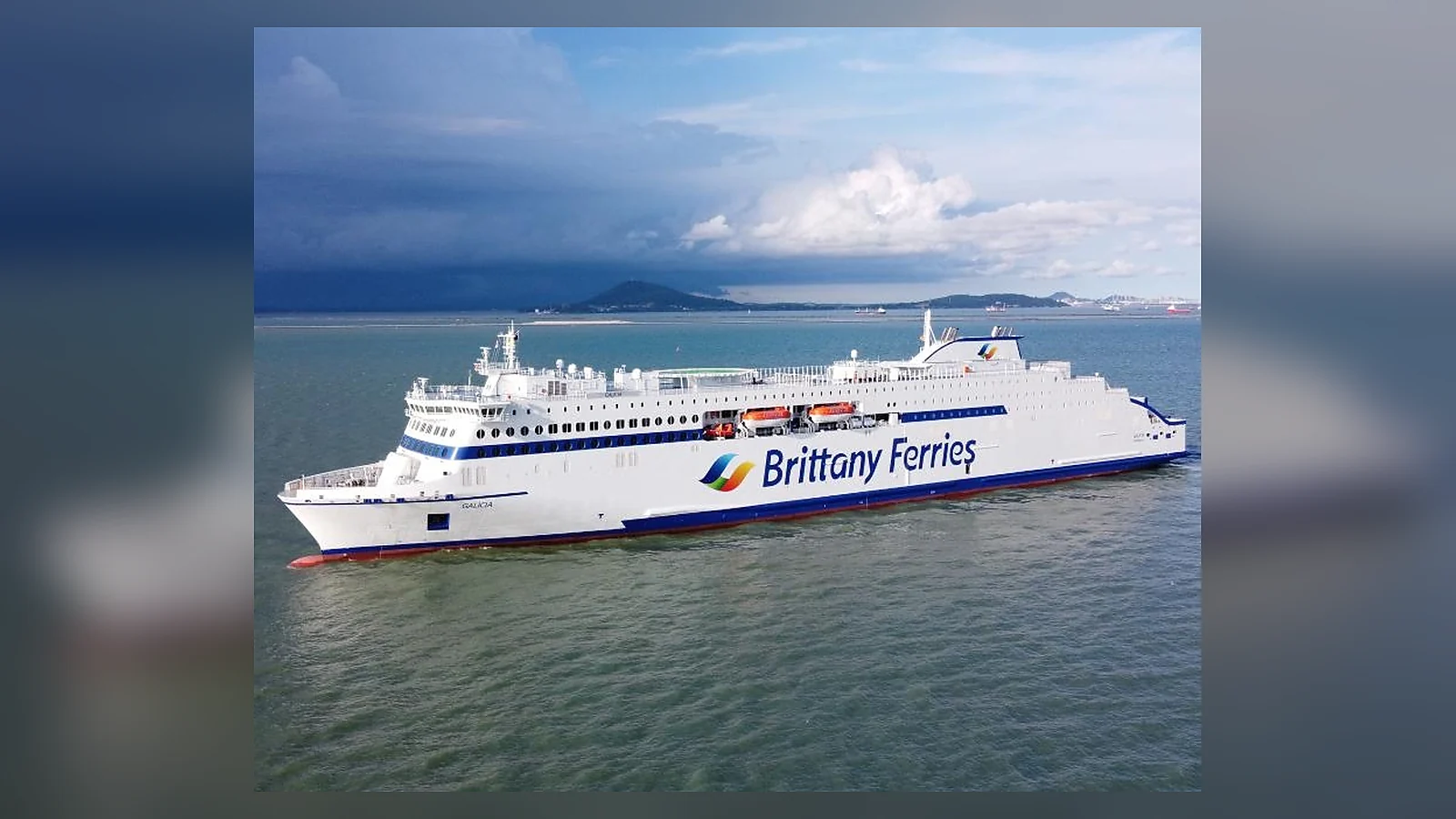
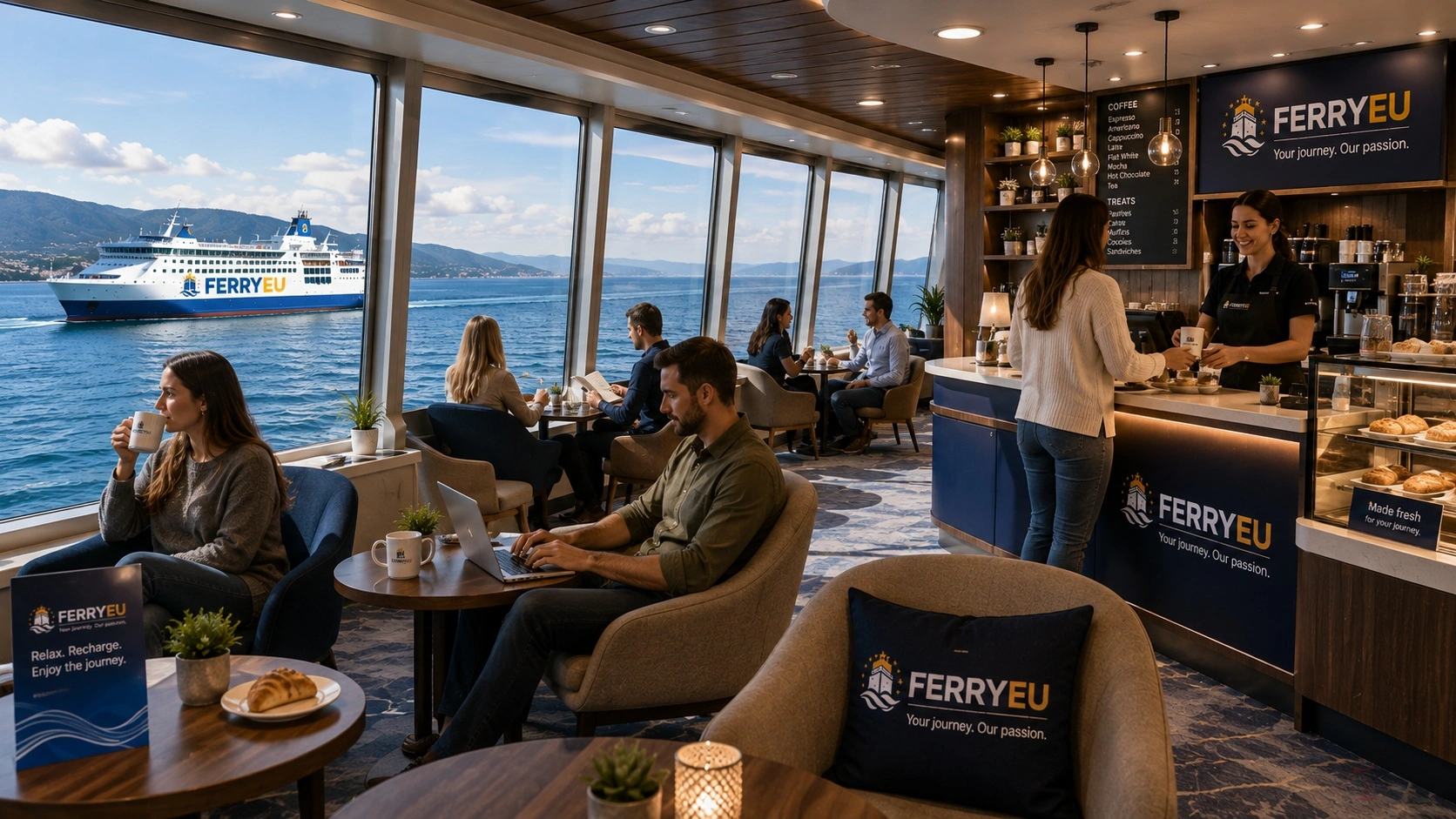
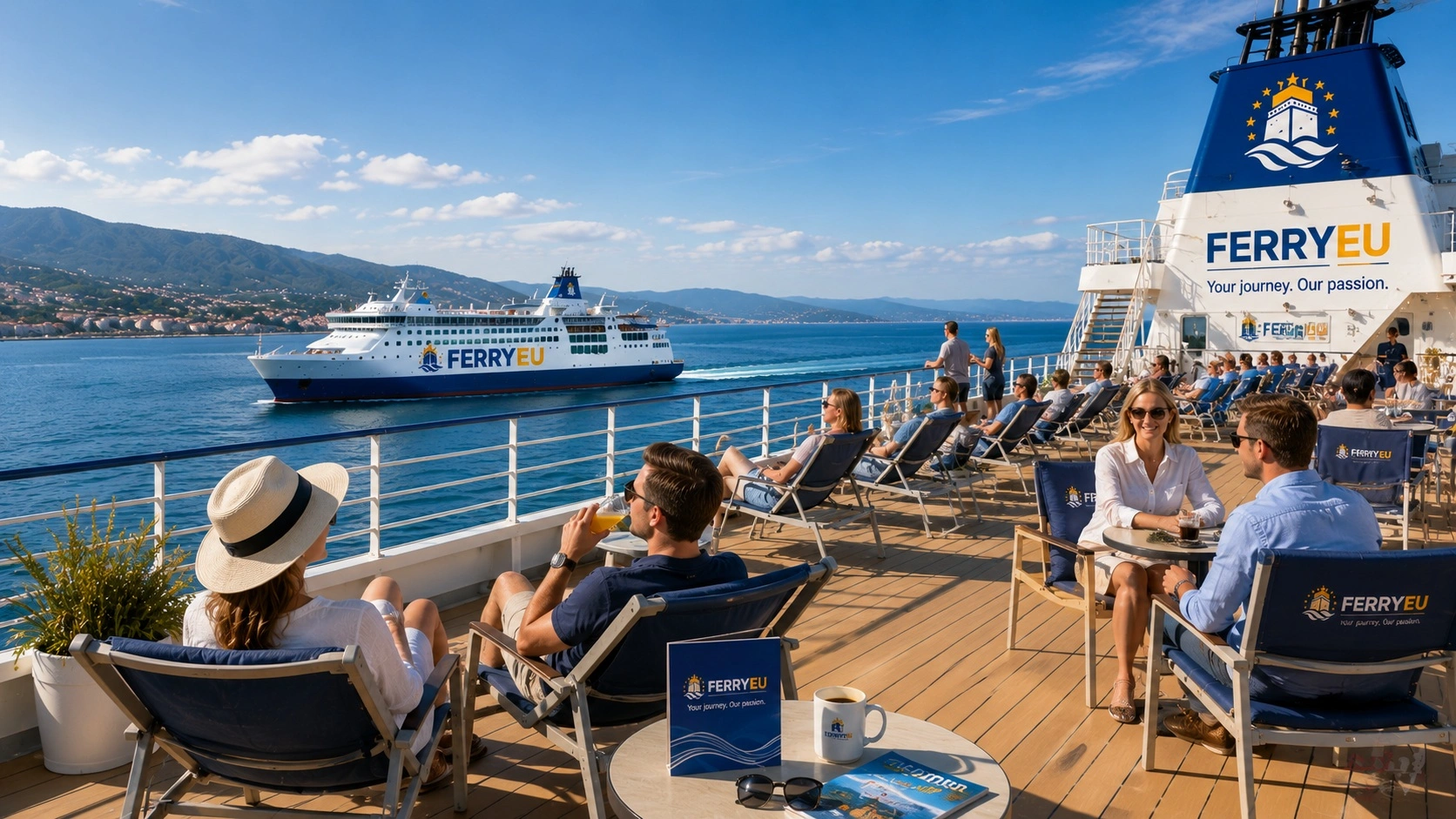
Brittany Ferries passenger ferry sailing across the Channel
United Kingdom · France · Spain · Ireland · Guernsey

Brittany Ferries

Cross the Western Channel or sail overnight to northern Spain with one of Europe’s most established vehicle-ferry networks.

France, Spain & Ireland Cruise ferries + fast craft Cars, motorhomes & pets
Search current sailings

Find Brittany Ferries tickets

Choose your departure port, destination, date and vehicle details to compare current ferry options.

Brittany Ferries ship at sea
Brittany Ferries links the western Channel and Atlantic Arc with a vehicle-focused passenger network.
Western Channel specialist since 1972

From Breton farming roots to a major UK–France–Spain network

Brittany Ferries grew from an unusually practical idea. Breton farmers wanted a direct sea link to Britain for agricultural exports, so Alexis Gourvennec and fellow farming cooperatives created the company in 1972. The first service began from Roscoff to Plymouth in January 1973. More than five decades later, the same Atlantic geography still defines the business: Brittany Ferries links southern England and Ireland with western France and northern Spain, while keeping strong commercial and cultural ties with the regions at both ends of each route.

For UK travellers, the network is built around three south-coast ports. Portsmouth offers the broadest choice, with routes to Caen, Cherbourg, St Malo and Le Havre in France plus Santander and Bilbao in Spain. Plymouth gives western Britain a direct route to Roscoff and the shortest Brittany Ferries sea journey to Spain, while Poole serves Cherbourg and also participates in the seasonal high-speed service via Guernsey to St Malo.

The Ireland network adds a different set of long-distance choices. Cork connects directly with Roscoff, while Rosslare links with Cherbourg and Bilbao. For winter 2026/27 Brittany Ferries has also published selected Rosslare–Santander departures. These sailings allow motorists to bypass long drives through Britain or France and arrive much closer to the Atlantic regions of France and Spain. Brittany Ferries is particularly well suited to travellers who see the vehicle as part of the holiday. Cars, motorcycles, caravans and motorhomes can cross with their occupants, luggage stays with the vehicle, and the longer crossings can replace a night of driving or accommodation with a cabin at sea. Foot passengers are also carried on many routes, but availability and port access should always be checked for the chosen sailing. The onboard product varies substantially. A six-hour Channel crossing might be about a meal, a lounge and a comfortable seat; a 20-to-36-hour Spain sailing is closer to a short cruise, with private cabins, restaurants, bars, entertainment and substantial time to rest. That variety is why comparing the route and ship matters as much as comparing the headline fare.

Route-planning note: seasonal frequency and vessel assignment change. Use the exact sailing shown at booking as the final authority for ship, check-in time and onboard accommodation.

Western Channel and Atlantic routes

A network where the port choice can save hours of driving

Brittany Ferries serves very different journeys: frequent Channel crossings, overnight Brittany sailings, long cruise-ferry voyages to northern Spain and direct Ireland–France/Spain routes.

Irelandovernight / two-night
IrelandCork / Rosslare
to
France & SpainRoscoff / Cherbourg / Bilbao

Cork–Roscoff and Rosslare–Cherbourg provide direct France links, while Rosslare–Bilbao reaches northern Spain without routing through Britain. Selected Rosslare–Santander sailings are also published for winter 2026/27.

  • Cork–Roscoff commonly twice weekly in season
  • Rosslare–Cherbourg to Normandy
  • Rosslare–Bilbao to the Basque Country
Search Ireland routes
Network overview

Selected current routes at a glance

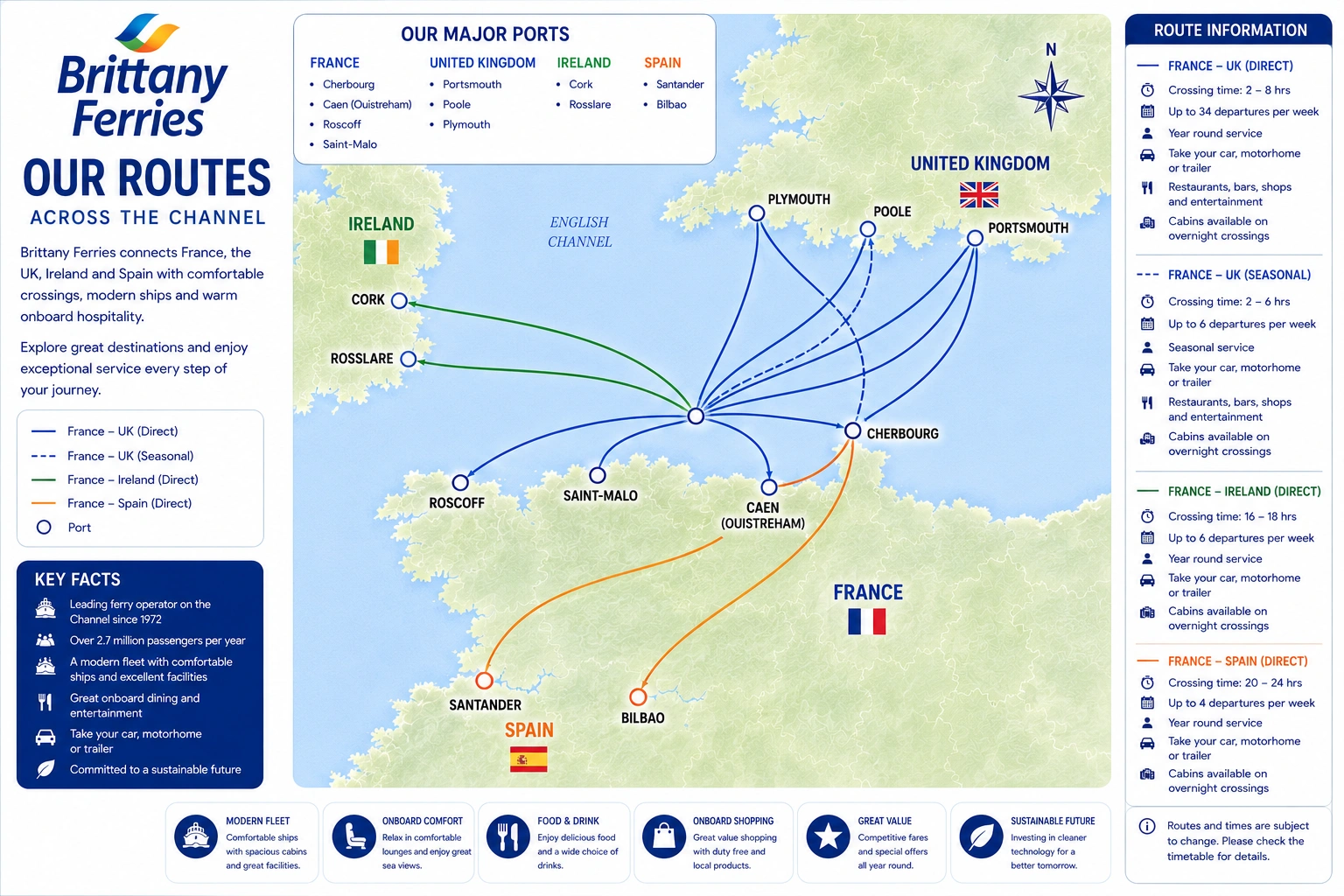
This schematic summarises the three representative current route groups described above. It is not a complete network map or timetable; the live operator booking result is definitive.

For planning with Brittany Ferries, use the map to compare the representative route groups above, including Portsmouth–Caen, UK–Santander / Bilbao, Cork / Rosslare–Roscoff / Cherbourg / Bilbao. It is most useful for judging which departure or arrival point best fits the rest of the journey rather than as a substitute for the live timetable.

After choosing the most practical route, compare the live Brittany Ferries sailing for departure time, calling pattern, passenger requirements and the facilities or accommodation shown for that service. The complete itinerary and arrival location can matter more than a small difference in the headline fare.

The seasonal high-speed Voyager service from Poole to St Malo via Guernsey is a different product from the cruise-ferry network and should be compared separately for timing, seating and vehicle capacity.

Brittany Ferries route map
Illustrative Brittany Ferries route map. Routes and operating patterns can change; check the live timetable for your date.
Choose the gateway that saves road miles

Key Brittany Ferries ports and destinations

A slightly longer or more expensive ferry can still be the better journey if it lands closer to where you actually want to drive.

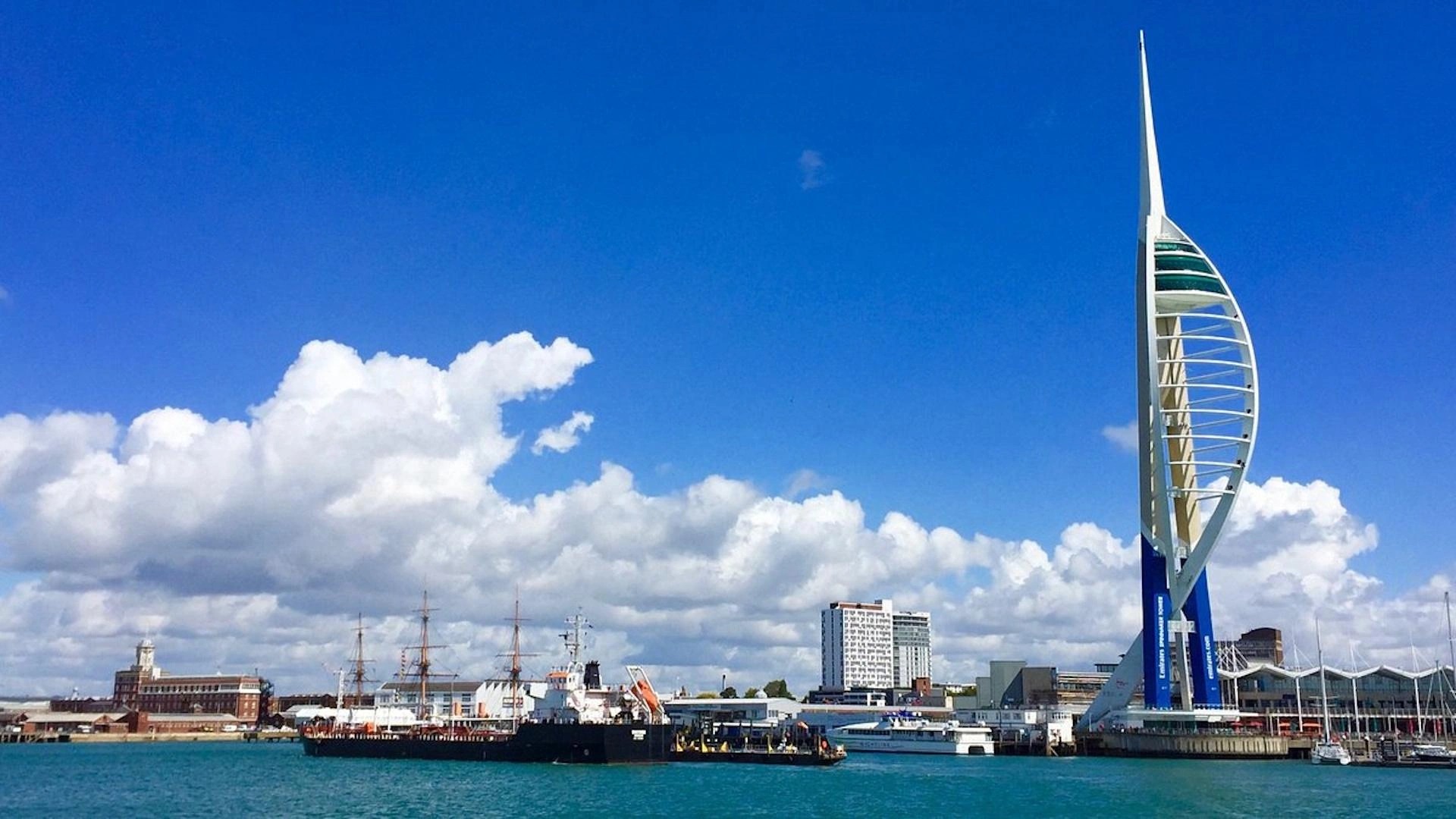
Portsmouth ferry port and waterfront
United Kingdom

Portsmouth

The broadest UK gateway, with routes to four French ports and direct long-distance sailings to northern Spain.

Explore destination
Caen and Normandy
Normandy

Caen / Ouistreham

A practical motorway gateway for Normandy, Paris, the Loire and central France.

Explore destination
Historic St Malo
Brittany

St Malo

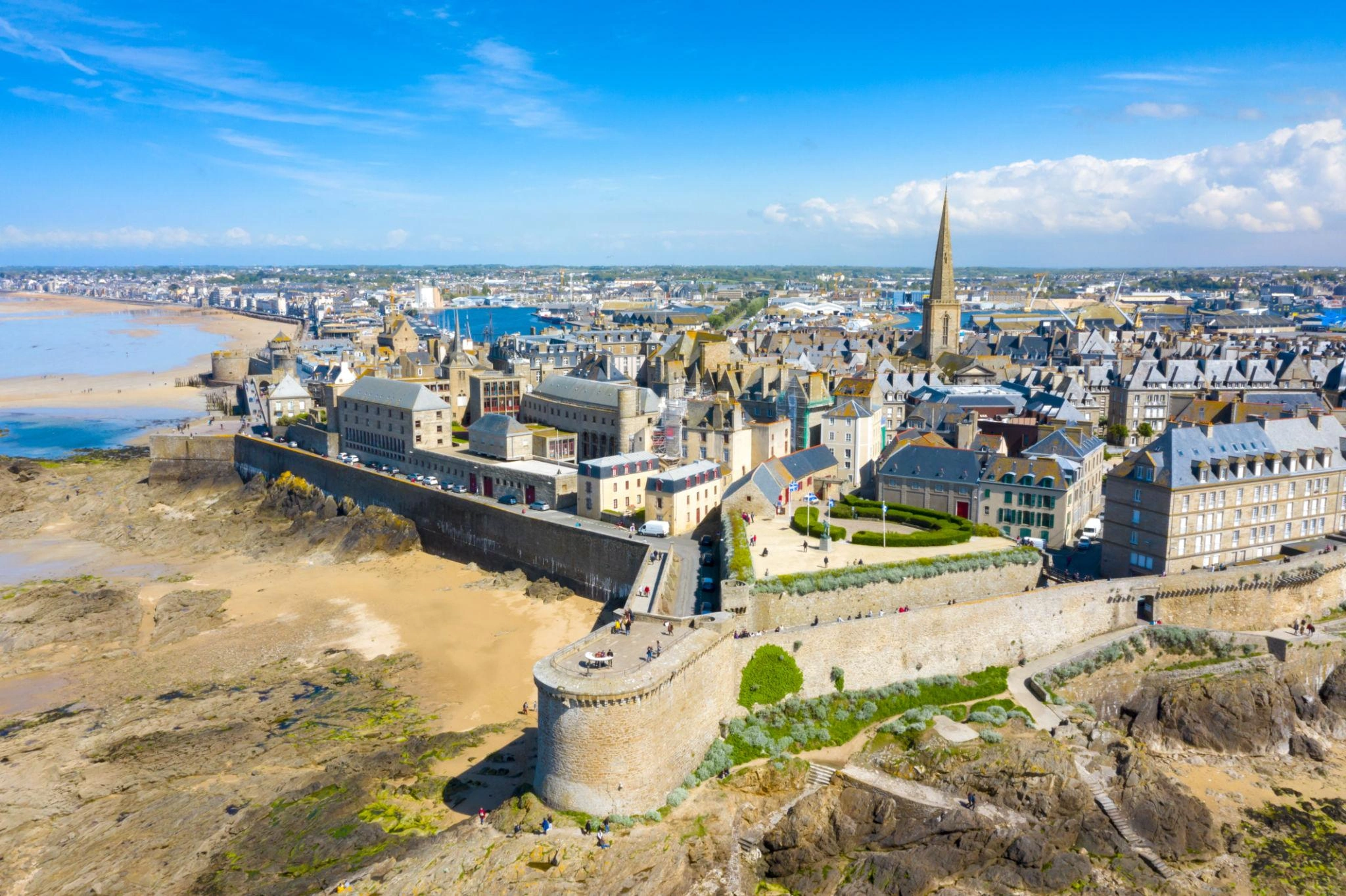
Arrive close to the walled city, Dinard, Mont-Saint-Michel and the northern Brittany coast.

Explore destination
Planning with Brittany Ferries?

Compare the complete journey rather than the sea crossing alone. Check the live timetable for your date, confirm the exact departure and arrival ports, and allow enough time for check-in and onward travel.

From a daytime seat to two nights at sea

Cabins, premium options and reserved seating

Accommodation is central to the longer Spain and Ireland services, while shorter Channel journeys offer more flexibility between lounges, seats and optional cabins.

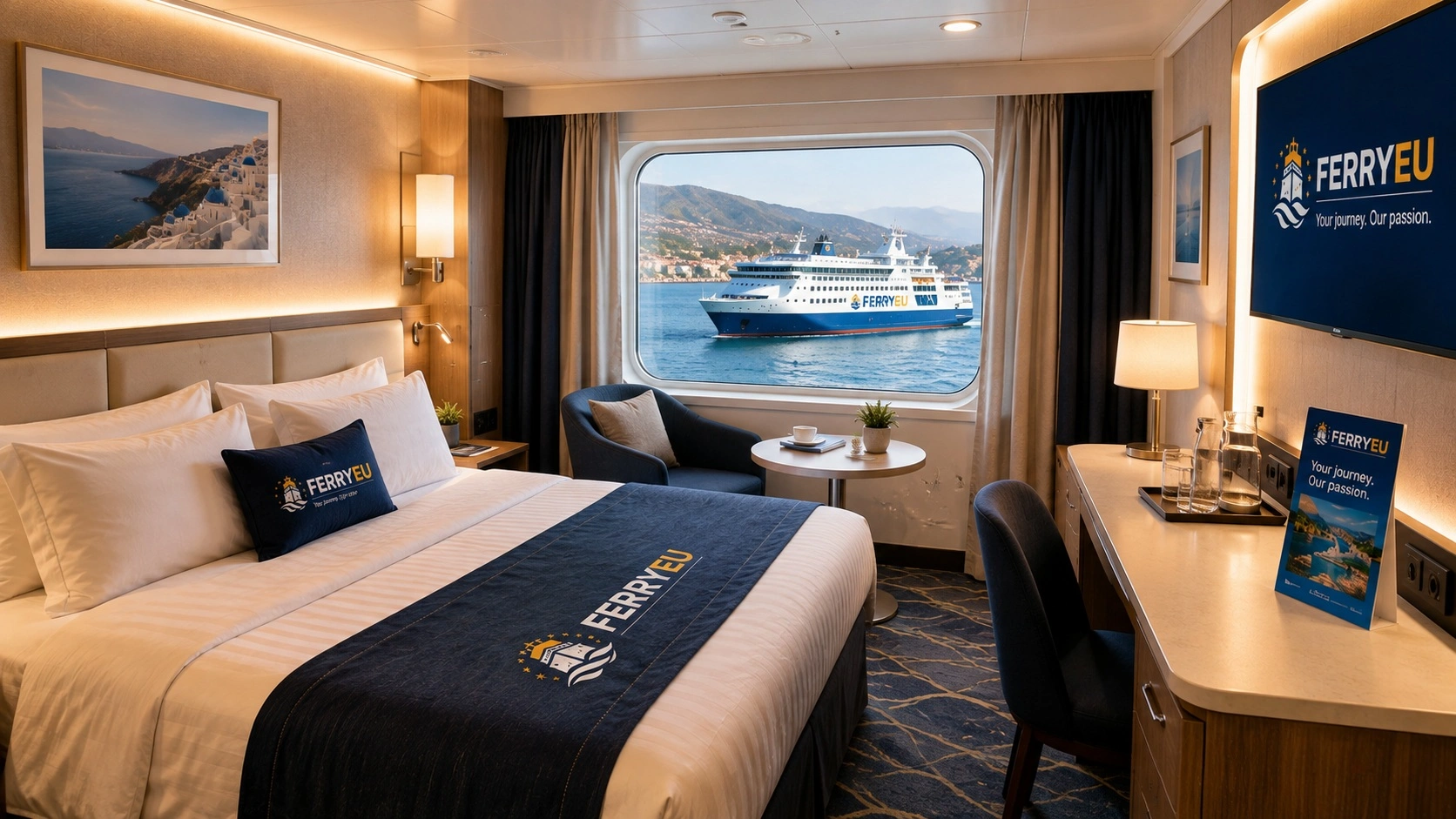
Premium ferry cabin
Premium cabins are especially valuable on one- and two-night Spain sailings.
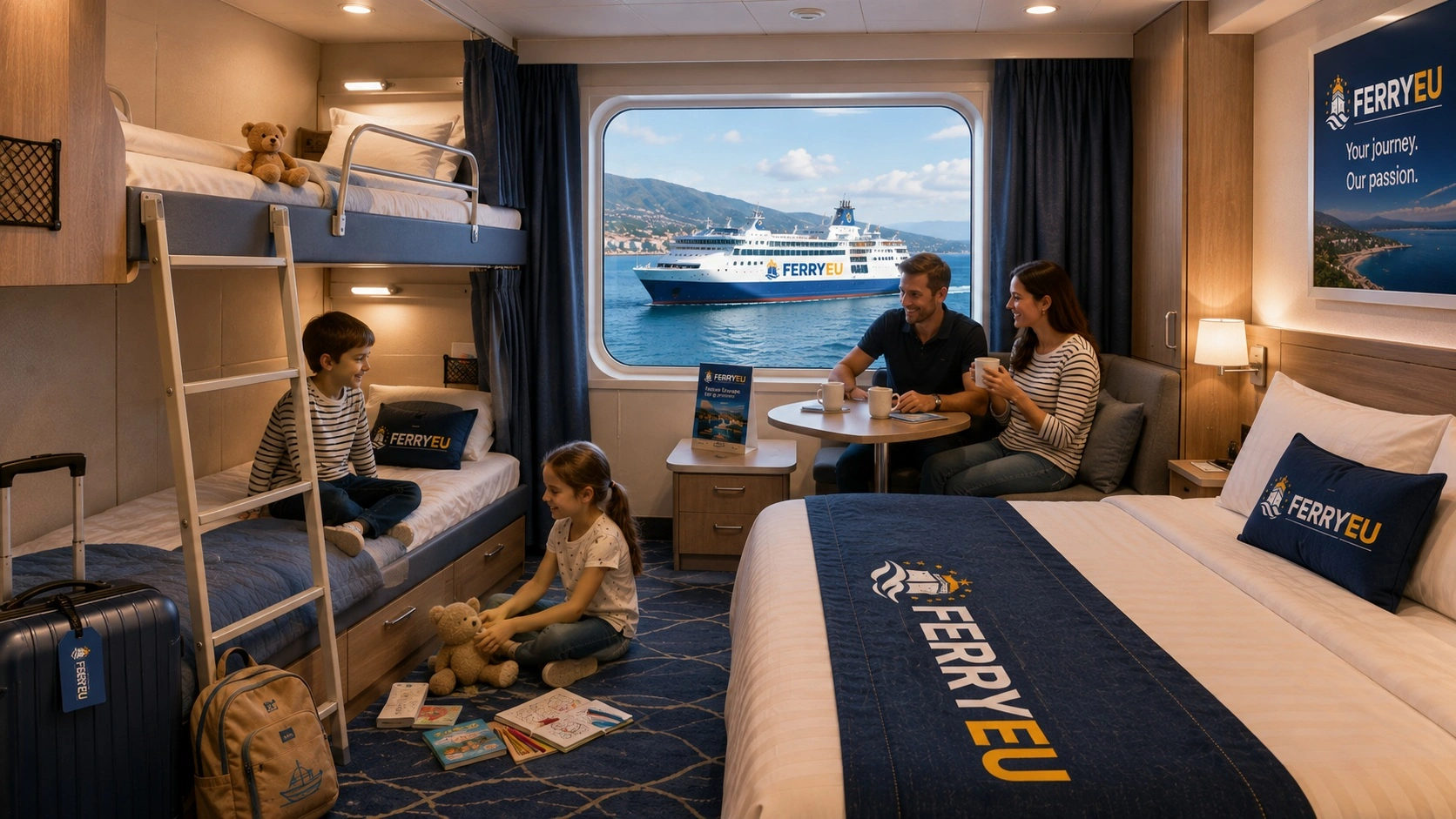
Family ferry cabin
Standard two- and four-berth cabins turn an overnight crossing into transport and accommodation.

Standard cabins

Inside and outside cabins provide private sleeping space and ensuite facilities on many cruise ferries. Outside cabins add a window and sea view.

Best considered forOvernight France, Spain and Ireland routes

Reserved seats

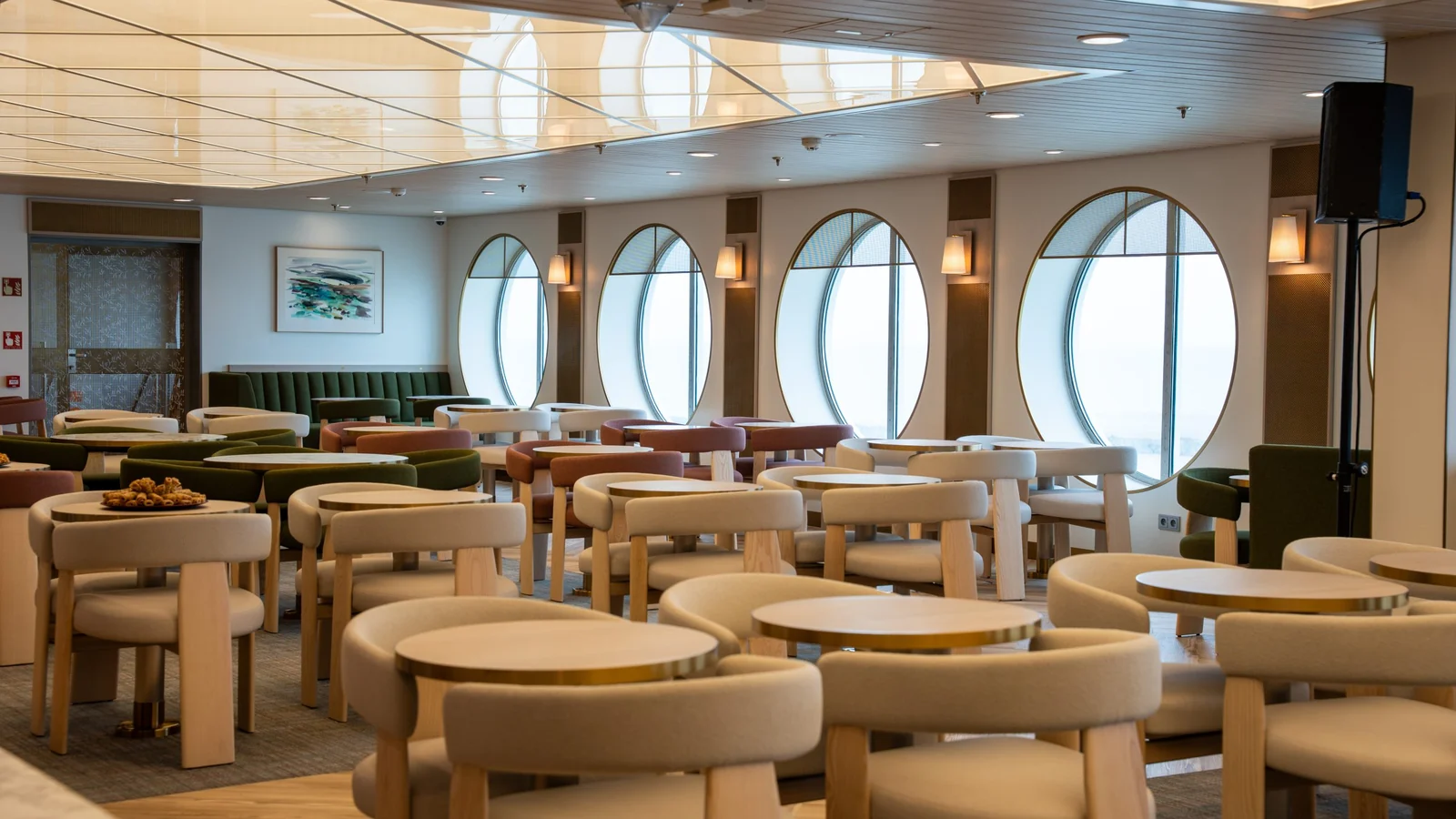
Reclining seats and lounge products can make medium-length Channel crossings comfortable without the extra cost of a cabin.

Best considered forDaytime and shorter crossings

Commodore & premium

Selected ships offer larger premium cabins and lounge privileges, including C-Club arrangements on E-Flexer vessels.

Best considered forLong crossings where comfort matters

Pet-friendly cabins

Available on selected ships and routes, with easy-clean flooring and access to designated pet areas. They can sell out early.

Best considered forLonger journeys with a dog or cat

Accessible cabins

Wheelchair-accessible accommodation is available on selected ships. Requirements should be recorded at booking and at least 48 hours before travel.

Best considered forPassengers needing adapted accommodation

Choose by ship

Cabin and seat inventories differ significantly. Always check the actual vessel assigned to the sailing before assuming a category is available.

Best considered forMatching the onboard product to the route
Booking tip

For summer Spain sailings, pet-friendly, accessible and premium cabins are among the accommodation types most worth reserving early.

Bring the vehicle, bikes — and even the dog

Cars, motorhomes, motorcycles, pets and accessibility

Brittany Ferries is especially strong for self-drive travel. Accurate booking details matter because vehicle-deck space, pet accommodation and assistance are allocated before departure.

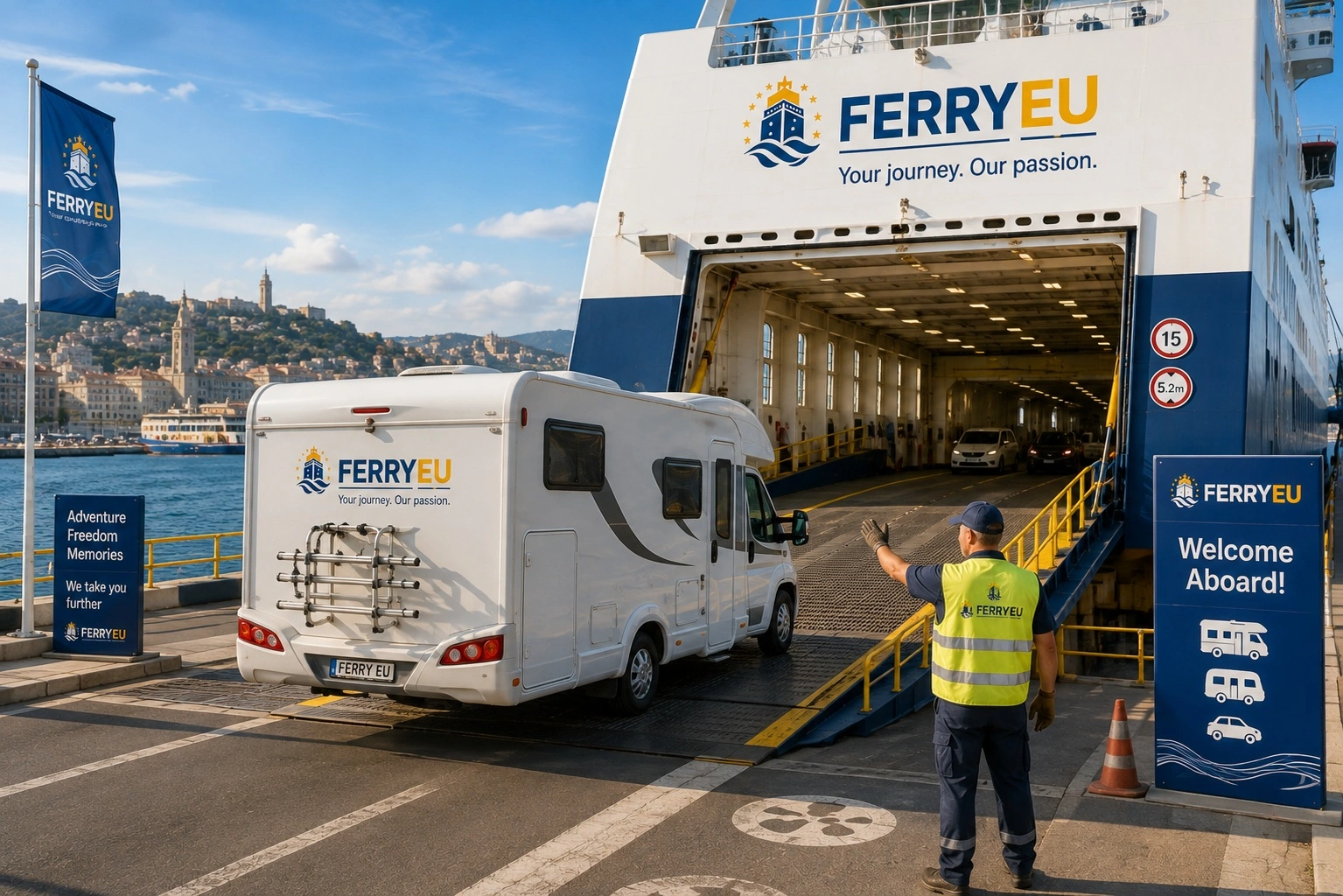
Motorhome boarding a ferry
Motorhomes and caravans make France and Spain road trips possible without airport luggage limits.
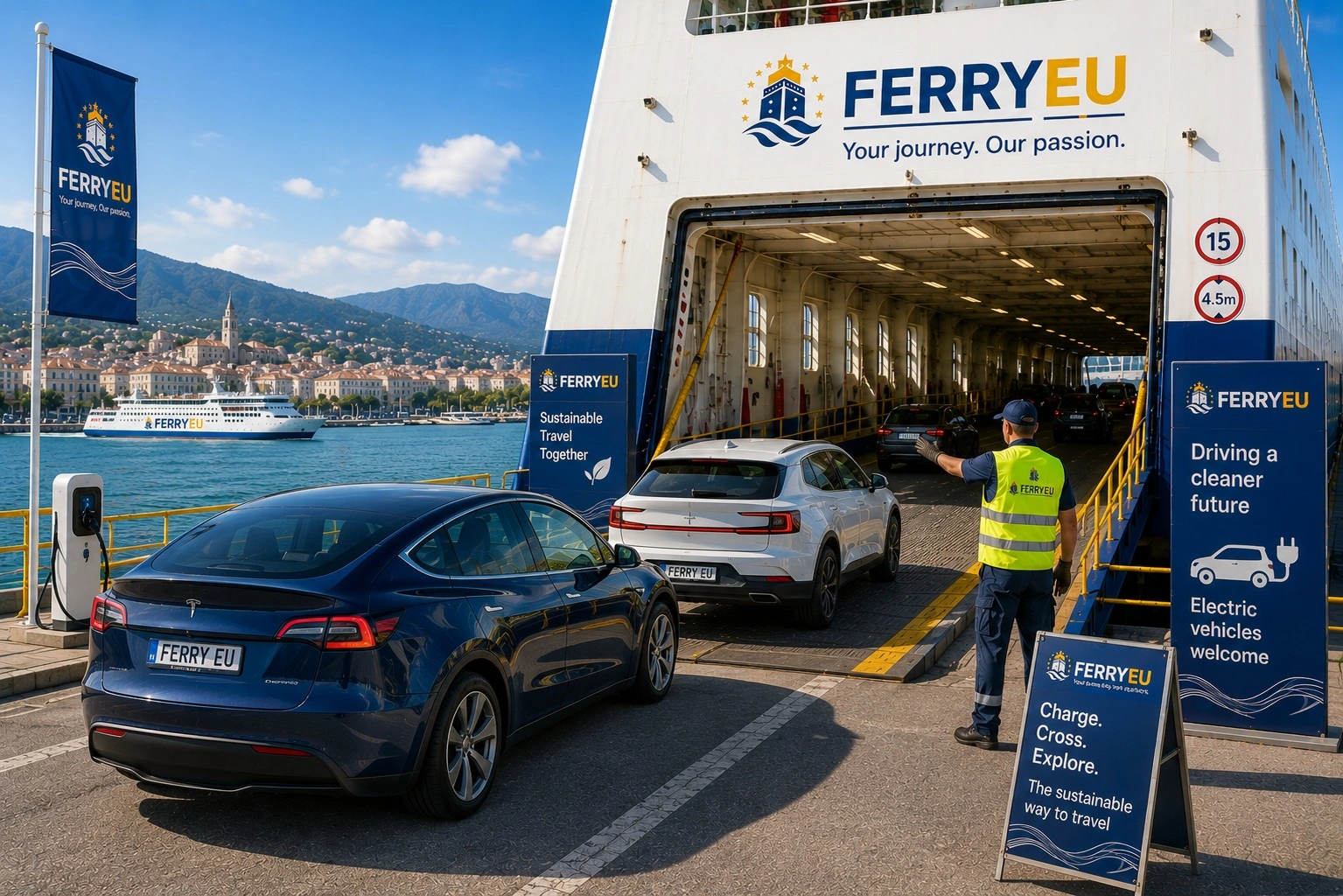
Electric car boarding a ferry
Electric and hybrid vehicles can travel, but onboard vehicle charging is not currently available.
Dog travelling by ferry
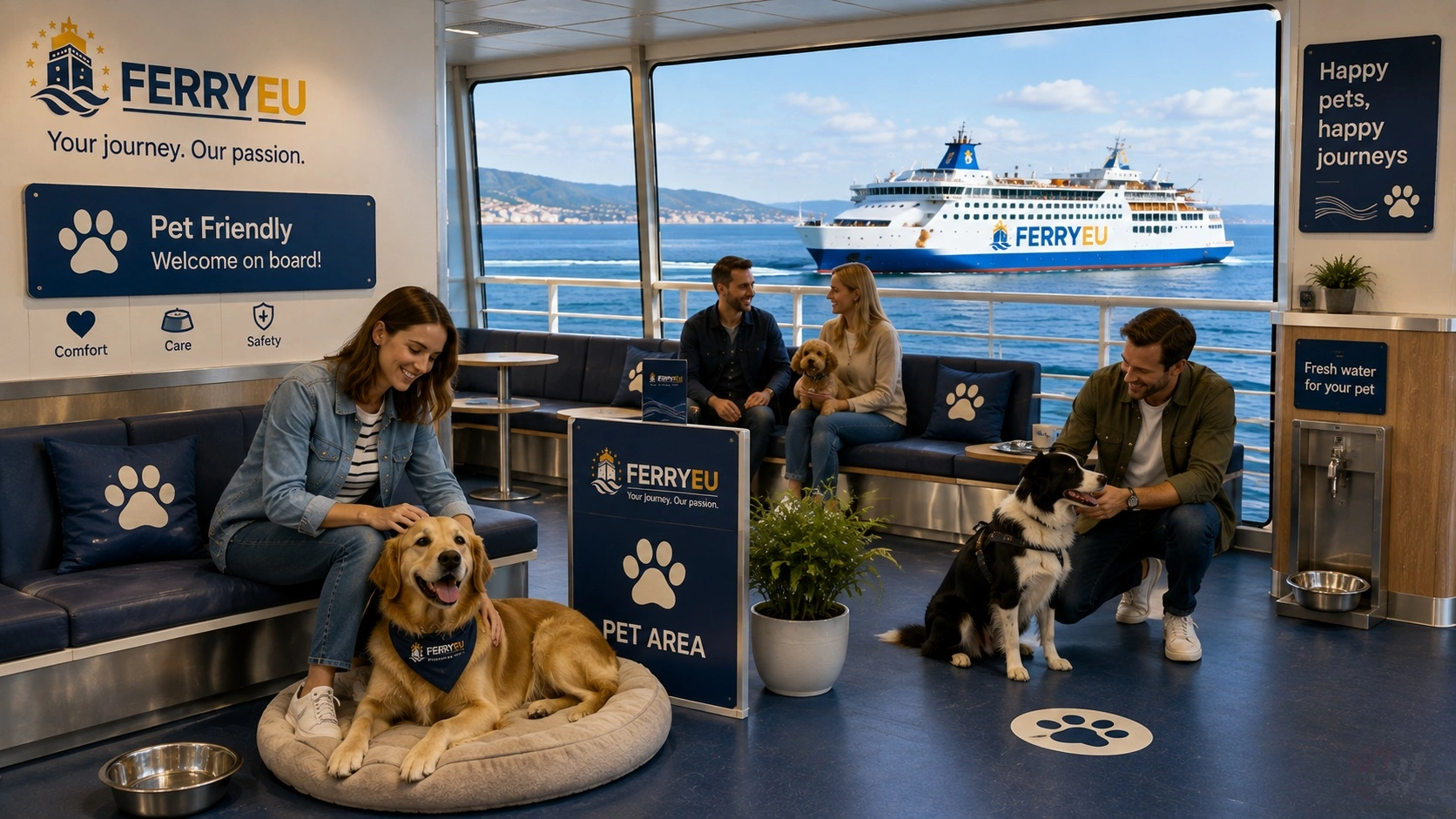
Pet travel can mean a cabin, kennel or remaining in the vehicle depending on ship and route.

Cars & vans

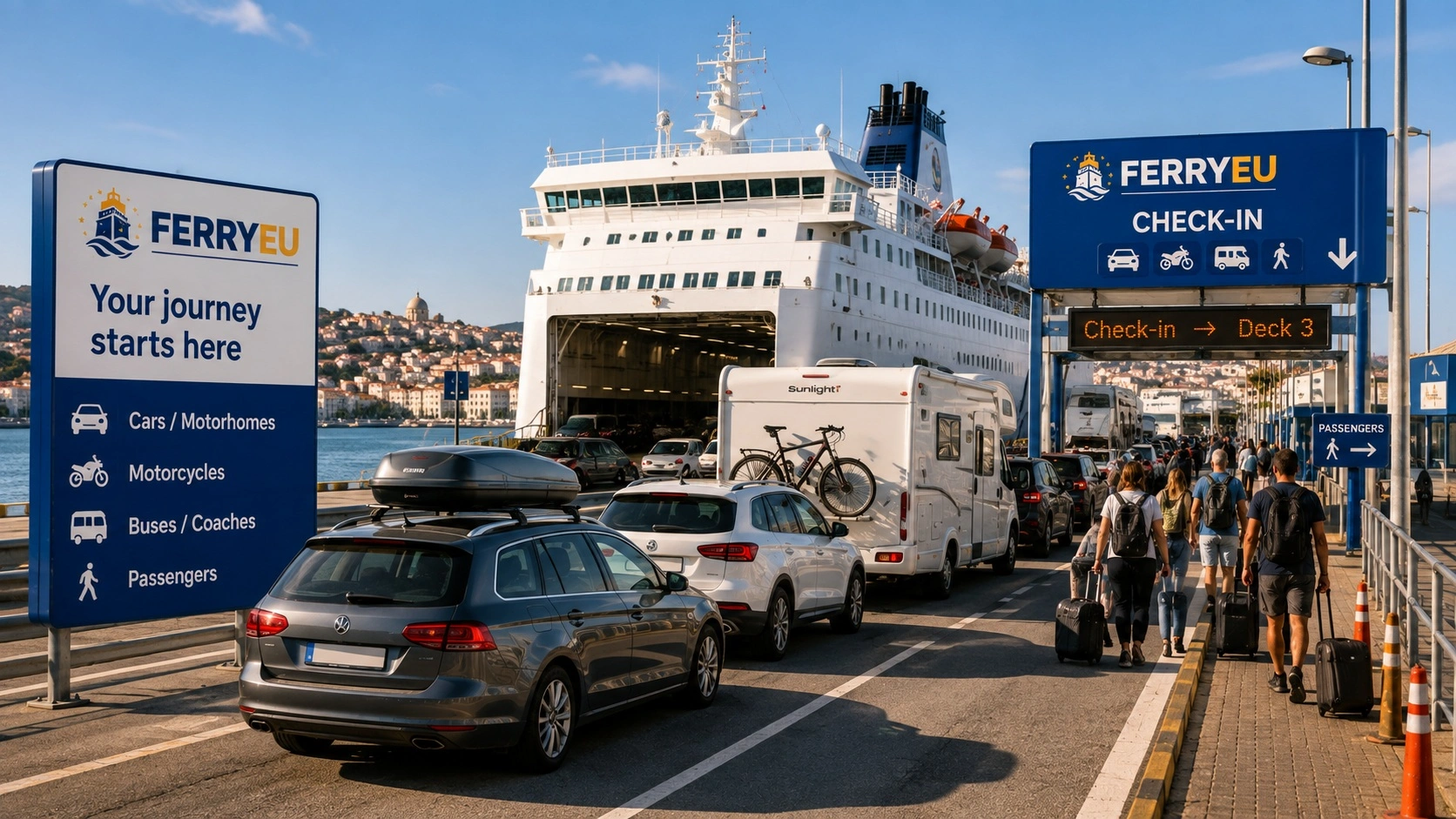
Cars and vans are carried across the cruise-ferry network. Enter registration and dimensions accurately and follow the crew’s vehicle-deck loading instructions.

  • Turn the vehicle alarm off after parking
  • Take essential items before leaving the car deck
  • Vehicle decks are restricted during the crossing

Motorhomes & caravans

Touring vehicles are a natural fit for Brittany Ferries. Overall length and height affect deck allocation and price, and gas-cylinder rules apply.

  • Book early for peak summer dates
  • Declare trailers and caravans correctly
  • Gas cylinders must be secured and shut off

Motorcycles & bicycles

Motorcycles and bicycles can travel on appropriate sailings, creating easy touring itineraries through Brittany, Normandy and northern Spain.

  • Follow crew tie-down instructions
  • Keep helmets and valuables accessible
  • Check bicycle acceptance for the exact sailing

Electric & alternative-fuel vehicles

Brittany Ferries permits electric and hybrid vehicles but states that they cannot currently be charged onboard. Plan charging around the port and onward route.

  • No onboard vehicle charging
  • Port charging availability varies
  • Report vehicle safety issues before boarding
Before you reach the ramp

Check-in, documents and boarding

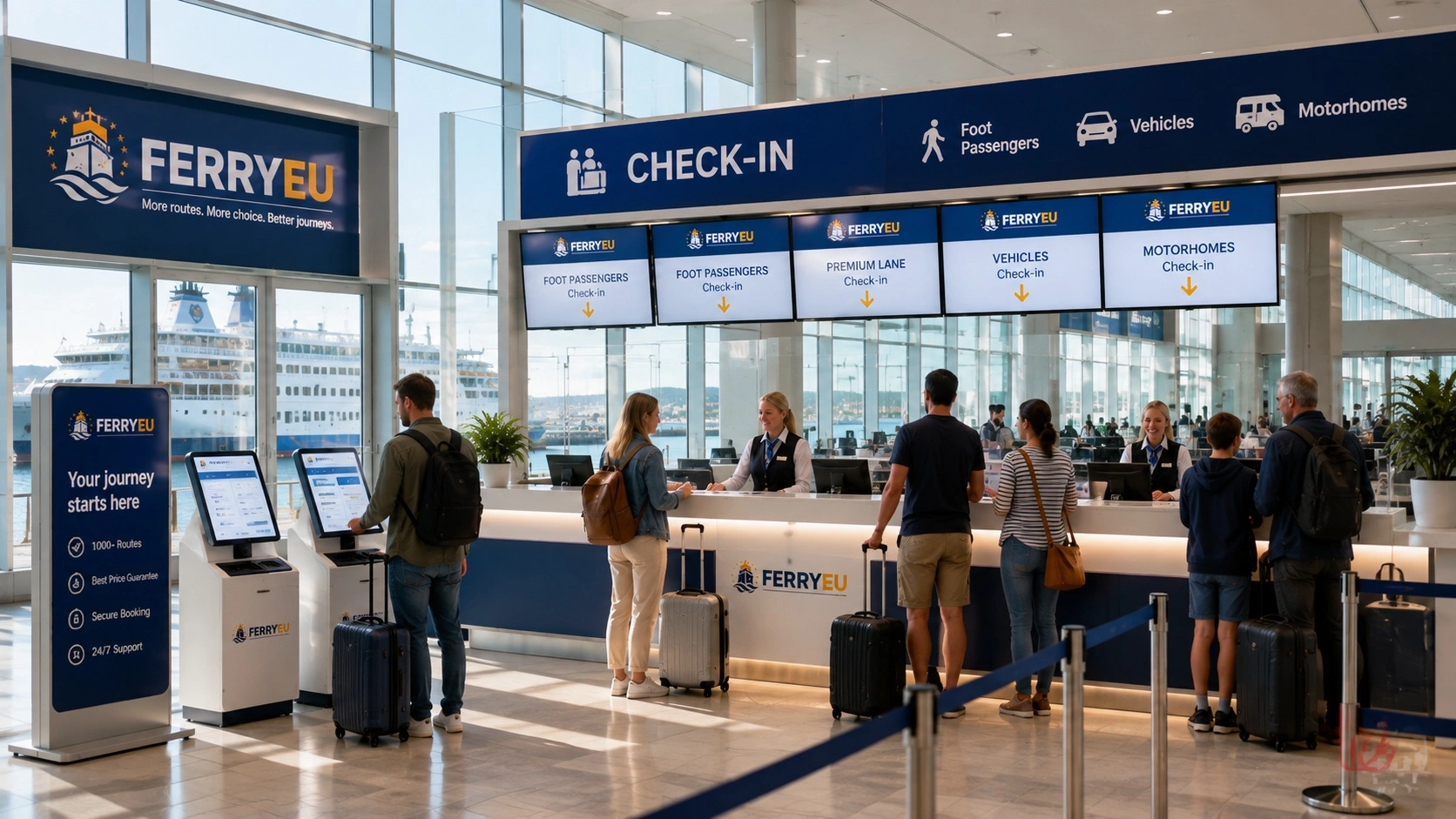
Standard passengers should normally be checked in at least 60 minutes before departure, while passengers travelling with pets should normally arrive at least 90 minutes before departure. The time printed on the ticket takes priority.

A practical travel timeline

  1. When booking
    Enter the correct passengers and vehicle

    Record names, vehicle registration and dimensions accurately. Add pets, cabins and special-assistance requirements before availability disappears.

  2. 48+ hours
    Confirm assistance needs

    Passengers with a disability, reduced mobility or relevant medical need should notify Brittany Ferries at least 48 hours before departure.

  3. 90+ minutes
    Pet travellers check in

    Pet journeys involve documentation and specific loading arrangements, so the normal published minimum is 90 minutes before departure.

  4. 60+ minutes
    Standard check-in

    Vehicle and foot passengers should normally be checked in no later than one hour before sailing unless the ticket specifies an earlier time.

  5. After parking
    Take essentials with you

    Vehicle decks are normally inaccessible during the voyage. Turn off the car alarm and take anything needed during the crossing.

Choose the route, not just the lowest fare

How to choose the best Brittany Ferries crossing

For France, start with your final driving destination. Caen may be excellent for Normandy, Paris and the Loire; St Malo can save hours for northern Brittany; Roscoff is valuable for western Brittany and the Atlantic coast; Le Havre can reduce driving toward eastern France. Cherbourg is flexible for Normandy and the western motorway network. The “best” port is often the one that puts the car on the right road after disembarkation.

For Spain, the comparison is even more strategic. Plymouth–Santander is the shortest sea route in the Brittany Ferries network to Spain, but Plymouth may require a longer UK drive. Portsmouth is easier for London, the Midlands and much of southern England, but the sea crossing takes longer. A cabin is part of the transport equation because it turns many driving hours into sleeping or rest time.

Travellers from Ireland gain a different advantage: Rosslare and Cork routes avoid routing through Britain altogether. The longer direct sea journey can mean fewer road kilometres, no separate Irish Sea crossing and a calmer itinerary for families, pets or heavily loaded touring vehicles.

Finally, compare the ship. A new hybrid or E-Flexer may offer different cabin types, lounges and pet arrangements from an older Channel ferry, while Voyager is a fast-craft product with a very different onboard experience. If a particular cabin, kennel, accessible space or premium lounge matters, check the actual vessel assigned to the sailing before paying.

Common planning questions

Brittany Ferries FAQs

Which routes does Brittany Ferries operate from the UK?

Brittany Ferries currently sails from Portsmouth, Plymouth and Poole to ports in France and northern Spain. Principal routes include Portsmouth to Caen, Cherbourg, St Malo, Le Havre, Bilbao and Santander; Plymouth to Roscoff and Santander; and Poole to Cherbourg, with a seasonal high-speed Poole–Guernsey–St Malo service.

How early should I arrive for Brittany Ferries?

Standard passengers should normally check in at least 60 minutes before departure. Passengers travelling with pets should normally arrive at least 90 minutes before departure. Your ticket and route instructions take priority because some services or extras can require earlier check-in.

Can I take my car or motorhome on Brittany Ferries?

Yes. Brittany Ferries carries cars, motorcycles, motorhomes, caravans, trailers and other vehicle types on its vehicle ferries. Vehicle registration and accurate dimensions should be entered correctly when booking.

Can I travel as a foot passenger?

Foot passengers are accepted on many Brittany Ferries routes, although availability can vary by sailing and ship. Passengers travelling without a vehicle should still check in at least 60 minutes before departure unless their travel documents state otherwise.

Are cabins available on Brittany Ferries?

Yes. Cruise ferries offer a wide range of accommodation, from standard inside and outside cabins to larger Commodore or premium options, accessible cabins and pet-friendly cabins on selected ships. Long Spain and Ireland crossings are particularly cabin-focused.

Can pets travel with Brittany Ferries?

Yes. Dogs, cats and ferrets can be booked on approved routes. Depending on the ship, a pet may travel in the vehicle, a kennel or a pet-friendly cabin. Pet documentation, microchipping and rabies rules apply, and dogs must generally be muzzled when outside their vehicle or designated pet accommodation.

Does Brittany Ferries sail from Ireland to France and Spain?

Yes. Current services include Cork–Roscoff, Rosslare–Cherbourg and Rosslare–Bilbao. Brittany Ferries has also published a Rosslare–Santander service for winter 2026/27 on selected dates.

Which ships are new to Brittany Ferries?

Saint-Malo and Guillaume de Normandie entered the modern fleet as hybrid-LNG ships, following the LNG-powered Salamanca and Santoña and the E-Flexer Galicia. Ship deployment changes by route, season and maintenance programme.

Can I charge an electric car on board?

No. Brittany Ferries states that electric and hybrid vehicles cannot currently be charged on board. Some ports have nearby charging facilities, so charge planning should be done before arrival or after disembarkation.

Does Brittany Ferries offer assistance for reduced mobility?

Yes. Passengers requiring assistance should describe their needs when booking and notify Brittany Ferries at least 48 hours before departure. They should also identify their requirements again at port check-in.

France or Spain by sea

Compare Brittany Ferries tickets

Search current routes, vehicle space and cabin availability for your preferred UK or Ireland departure port.

Search Ferry Tickets