

Dover to Calais ferries
Compare the operator, vehicle rules and terminal arrangements for this Channel crossing.
Compare this ferry route
Compare ferry routes, prices and travel options across the UK and Europe, and book with confidence.
Use the live form to check current sailings, fares, passengers and vehicle options.
Check the selected route, passengers, vehicle details and travel date before completing the reservation.
 Ferry RoutesDiscover popular ferry routes across Europe.View routes →
 Top DestinationsExplore coastlines, islands and port cities.Explore destinations →
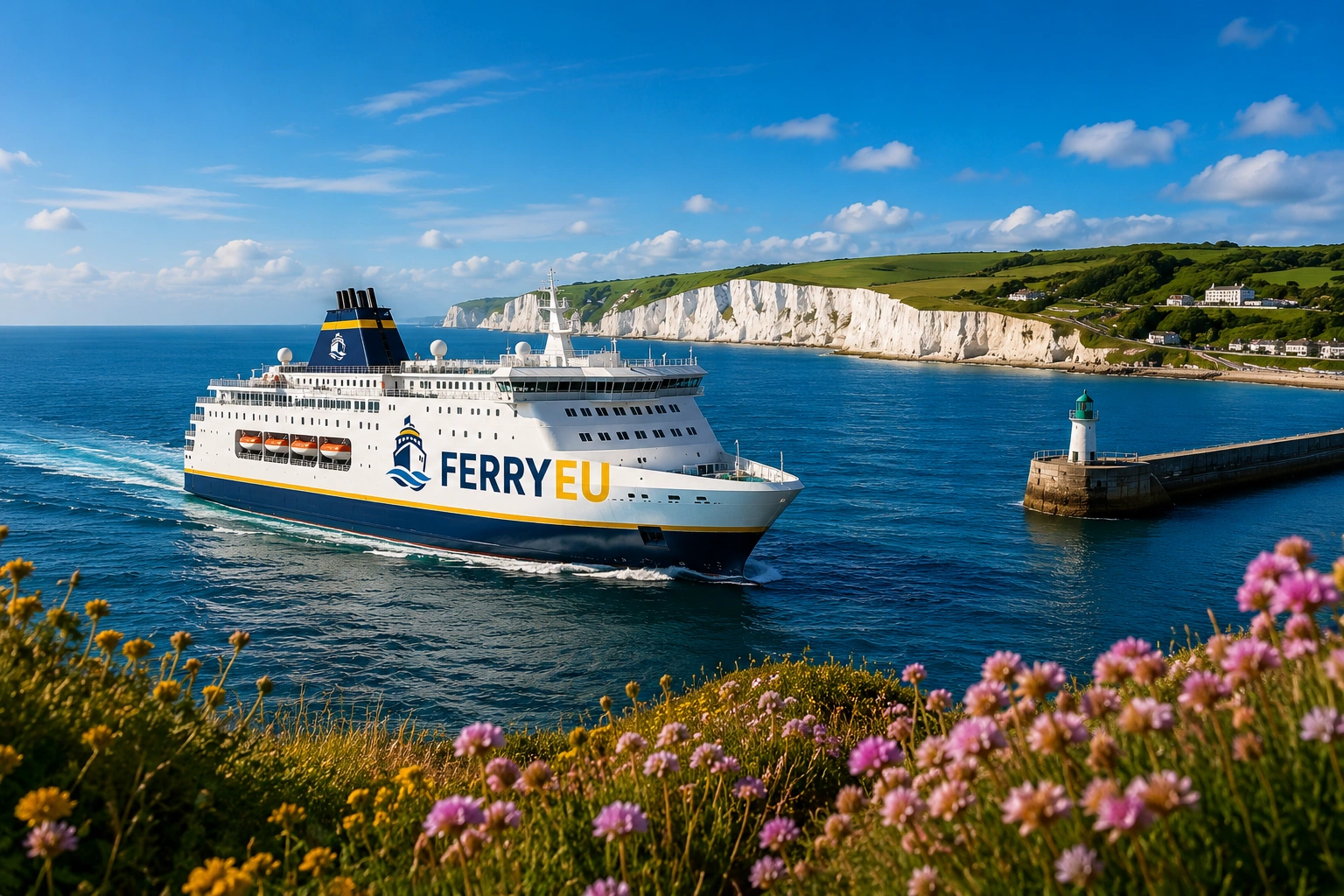 Ferry CompaniesCompare operators and find the right crossing.View operators →
Plan Your JourneyStart with dates, passengers and your vehicle.Search ferries →
Go straight to the route and port information for your trip, then compare the sailings offered for your travel date.
Compare the operator, vehicle rules and terminal arrangements for this Channel crossing.
Compare this ferry routeCompare fast and conventional sailings, terminal access and operator-specific travel requirements.
Compare this ferry routePlan the arrival in Normandy and compare the seating or cabin arrangements offered.
Compare this ferry routeCompare conventional and high-speed options, intermediate calls and the transfer from Athinios.
Compare this ferry routeCompare the operators and the arrival in northern Mallorca with the rest of your island journey.
Compare this ferry routeCompare the sailing with your city-centre transfer and any onward connection.
Compare this ferry routeRead the passenger-ferry guide and the separate car-ferry alternative through Stari Grad.
Compare this ferry routePlan the mainland approach, accommodation and the onward drive in Sardinia.
Compare this ferry route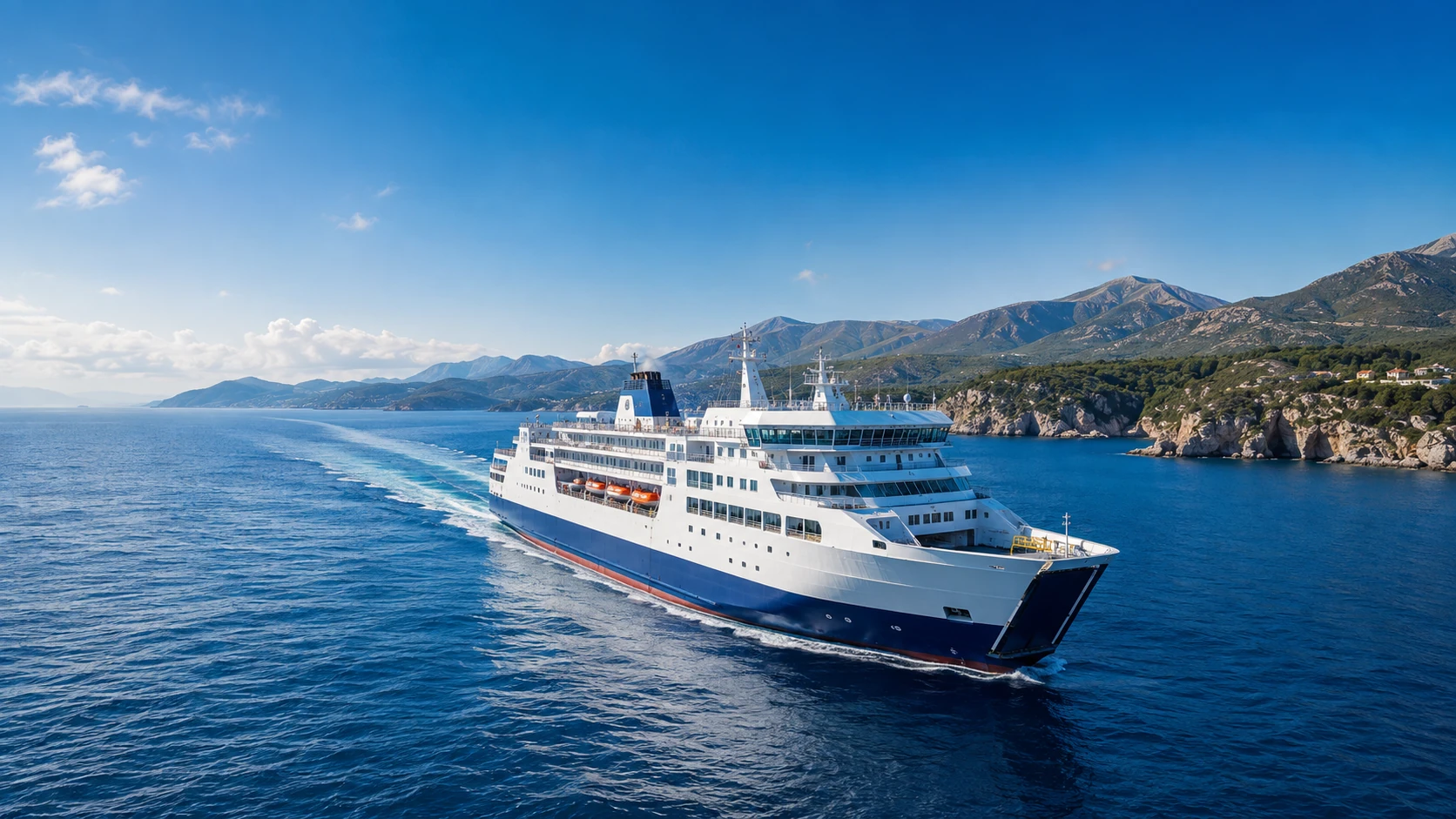
Flying is not always the most practical way to move around Europe. Ferries connect city ports, remote islands and long stretches of coastline while giving you the freedom to travel with your own car, carry more luggage and make the crossing part of the trip.
Some journeys are short hops across a strait; others are overnight sailings with cabins, restaurants and sea views. That variety is exactly why comparing the route as well as the fare matters.
European ferry networks cover far more than the familiar Dover–Calais crossing. Ferries link Great Britain with Ireland and continental Europe, connect Italy with Greece and the Adriatic, serve the Balearic and Canary Islands, cross the Baltic between Nordic capitals and reach hundreds of smaller island communities.
FerryEU is built around those real travel decisions: which port is most convenient, which operator serves the route, whether a vehicle can travel, how long the crossing takes and what alternatives may be available nearby.
See all ferry routes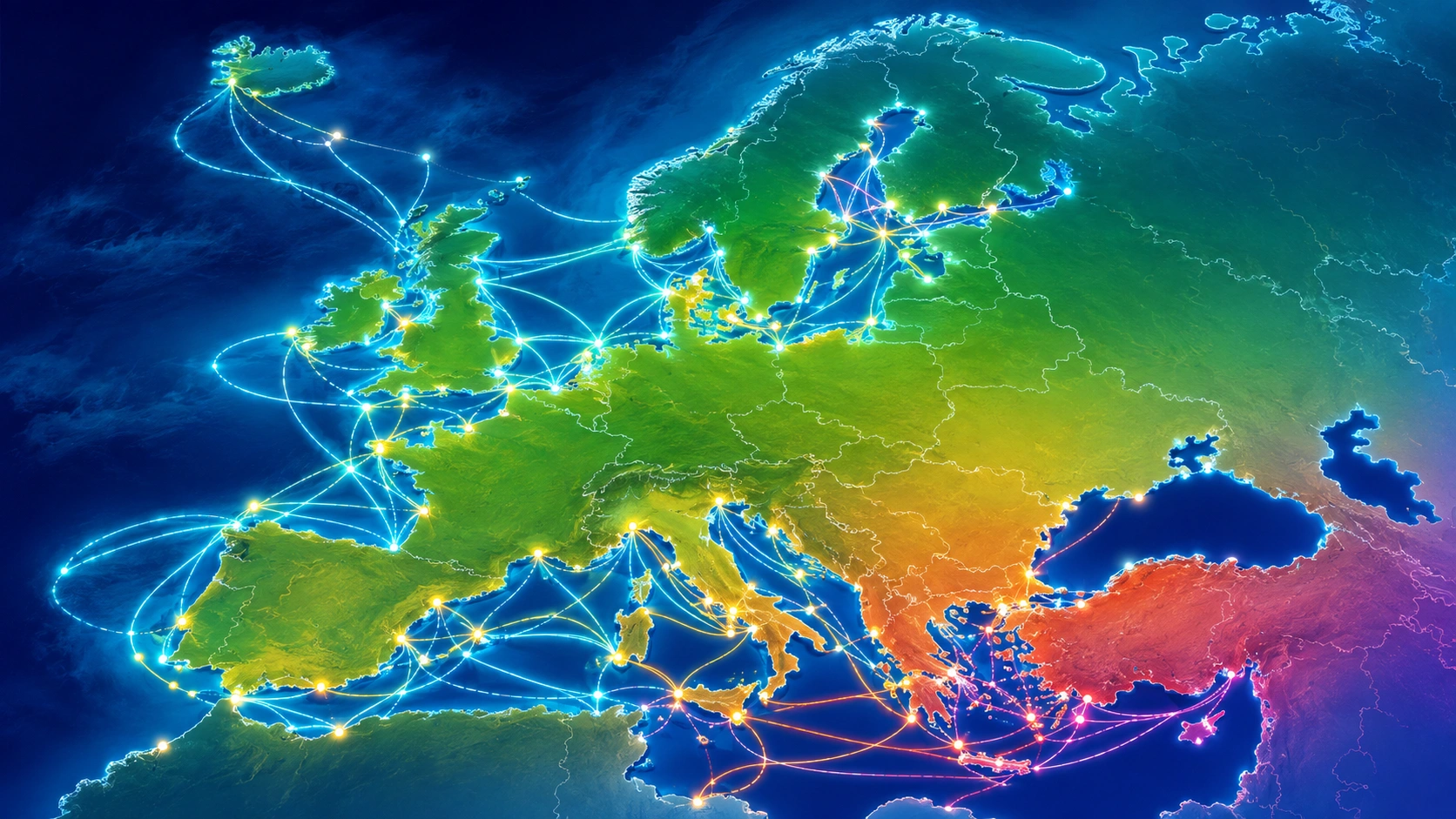
One of the biggest advantages of ferry travel is the choice of how you travel and what you take with you.
Drive aboard on many routes and continue your journey with your own car when you arrive.
Many city-to-city and island routes are convenient without a vehicle, especially when ports have good public transport links.
Relax on deck, eat onboard or book a cabin on longer sailings instead of spending the journey in an airport terminal.
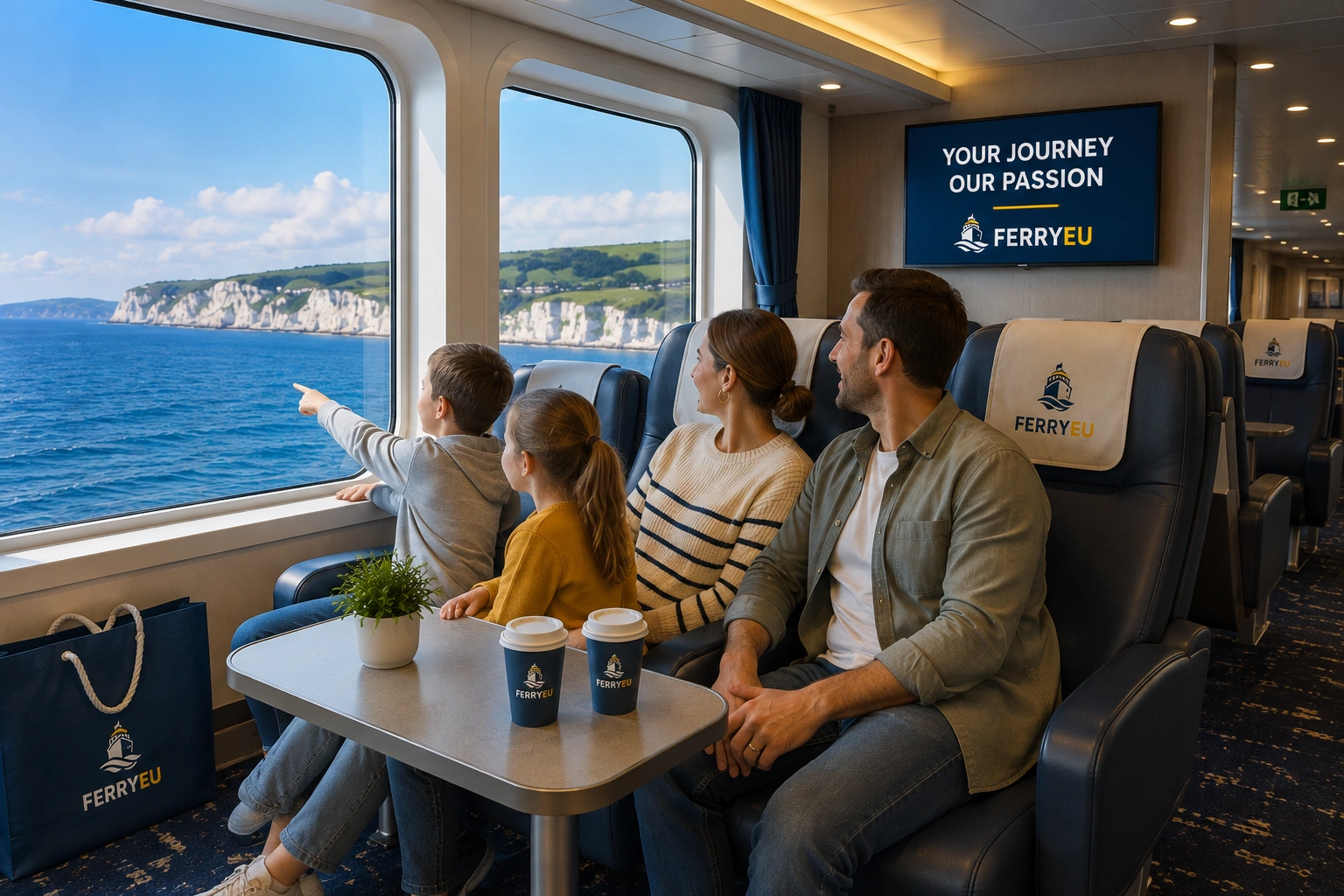
A good ferry trip starts well before boarding. Check-in times, vehicle dimensions, pet arrangements, cabin choices and passport requirements can differ by route and operator. Knowing the details in advance can make the whole journey calmer.
Our route, port and ferry-company pages are designed to bring those practical details together, alongside destination ideas for the other side of the crossing.
Browse Ferry Companies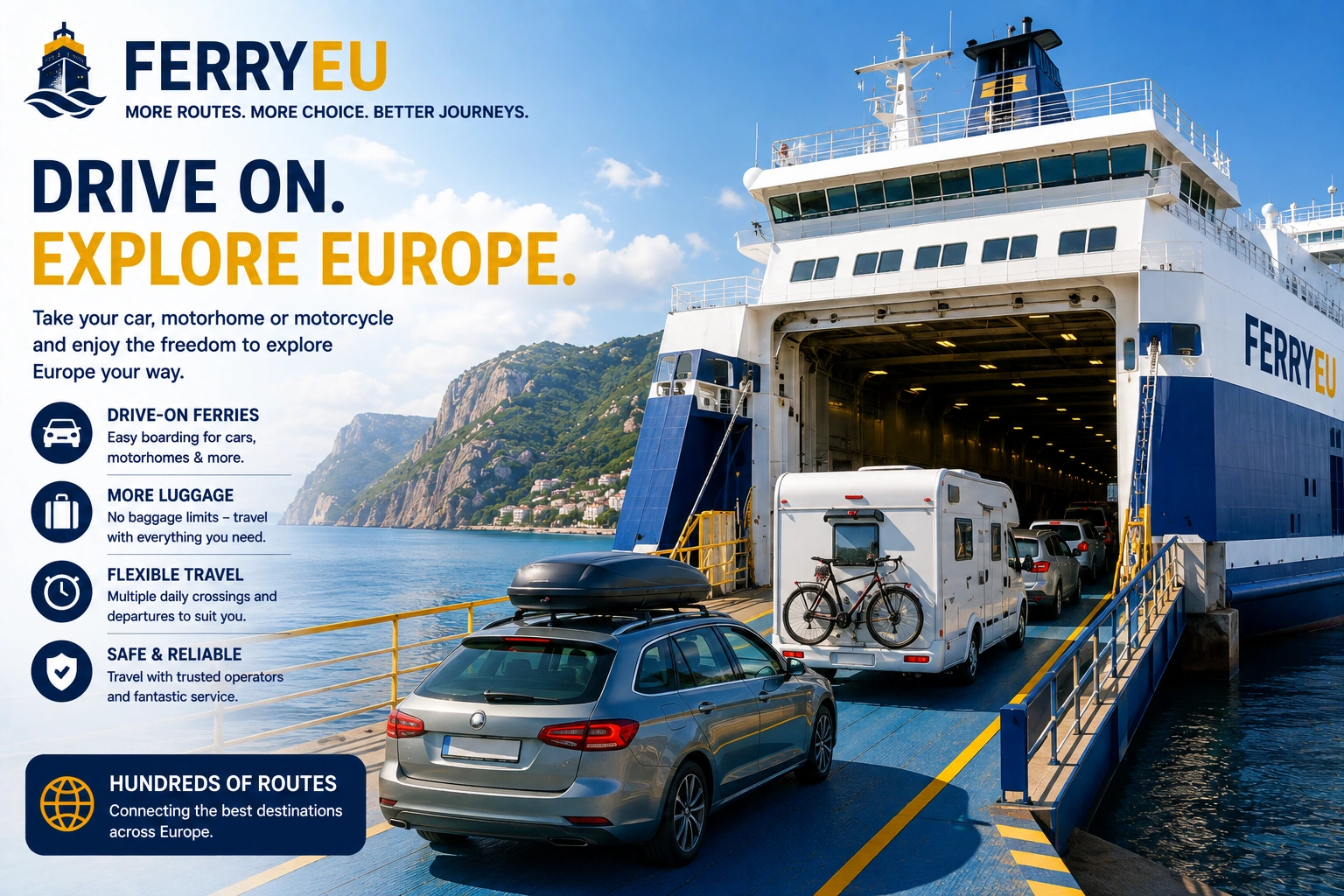
Bring your own vehicle and the ferry becomes the bridge between one European road trip and the next.
Search Ferry TicketsFerry travel in Europe can be wonderfully simple once you know which ports and operators fit your journey. The difficulty is that the network is spread across many countries, ferry companies and regional routes. A crossing that looks obvious on a map may have seasonal timetables, several competing departure ports or different rules for passengers travelling with vehicles.
FerryEU brings that information into a clearer structure. You can start with a destination, look up a ferry company, explore routes from a particular port or go straight to a ticket search. Each page focuses on information that actually helps with planning rather than repeating generic travel copy.
For popular journeys, that means explaining the practical differences between nearby crossings. For island routes, it means helping you understand where ferries arrive and how the service fits into onward travel. For longer international sailings, it means highlighting cabins, overnight travel and vehicle options that can make a ferry an alternative to flying.
Search routes and compare available ferry travel options for your next European journey.
Choose a region to compare the actual terminals, passengers and vehicles, cabin options, seasonal dates and onward journey. Each comparison links to the relevant outbound and return route guides.
Start with where you need to arrive in France, then compare the departure port and the complete journey.
The three North Sea routes reach different Dutch terminals and serve different parts of England.
Choose the arrival region before choosing the ferry.
A direct ferry from Ireland to France avoids the drive through Britain, but the routes reach very different parts of France.
Brittany Ferries’ UK routes cover short Channel journeys, overnight France crossings, longer Spain sailings and Guernsey services in the Brittany/Condor network.


