The eastern English Channel
Compare the Dover–Dunkirk crossing and the road beyond Loon-Plage
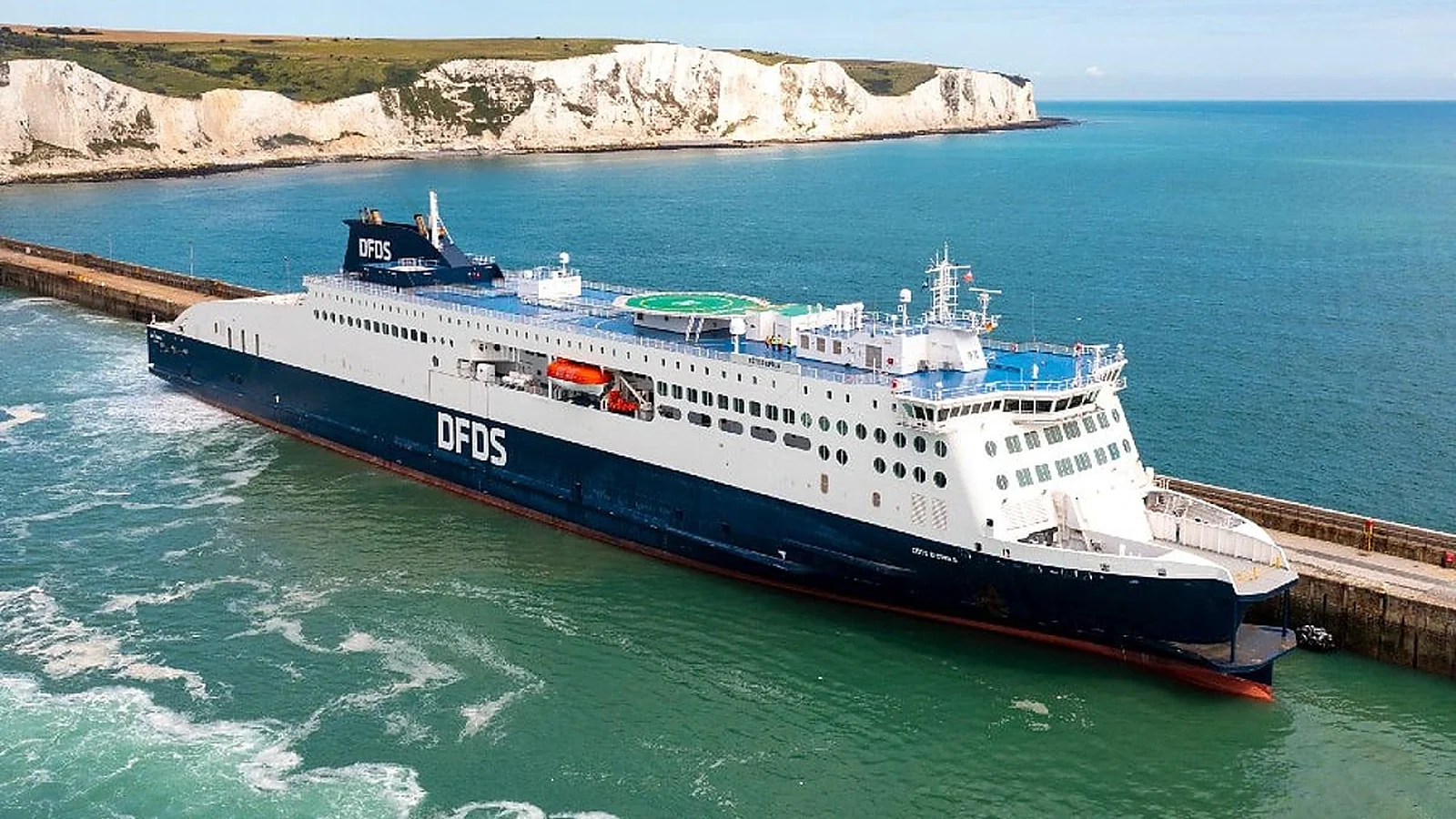
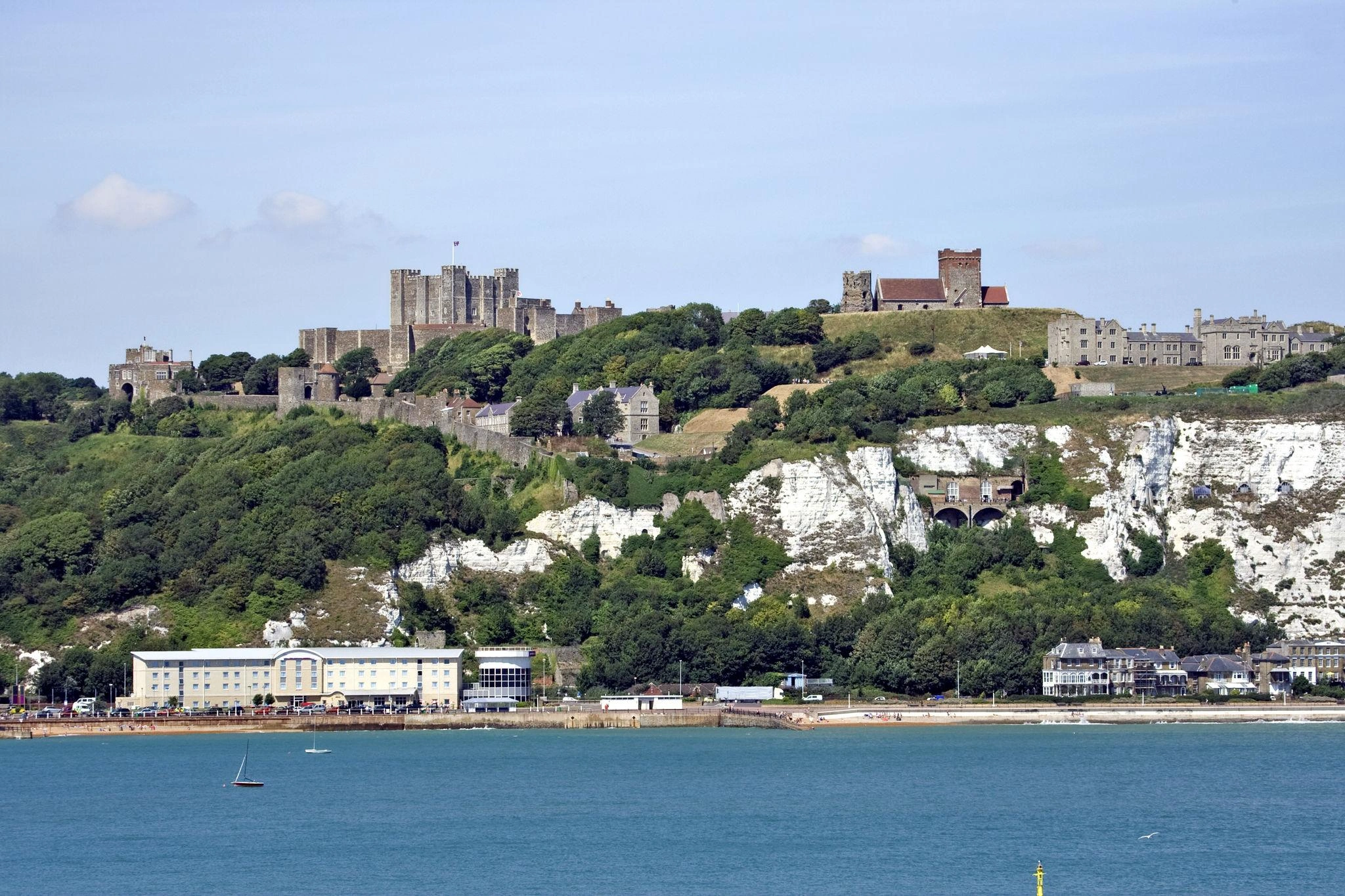
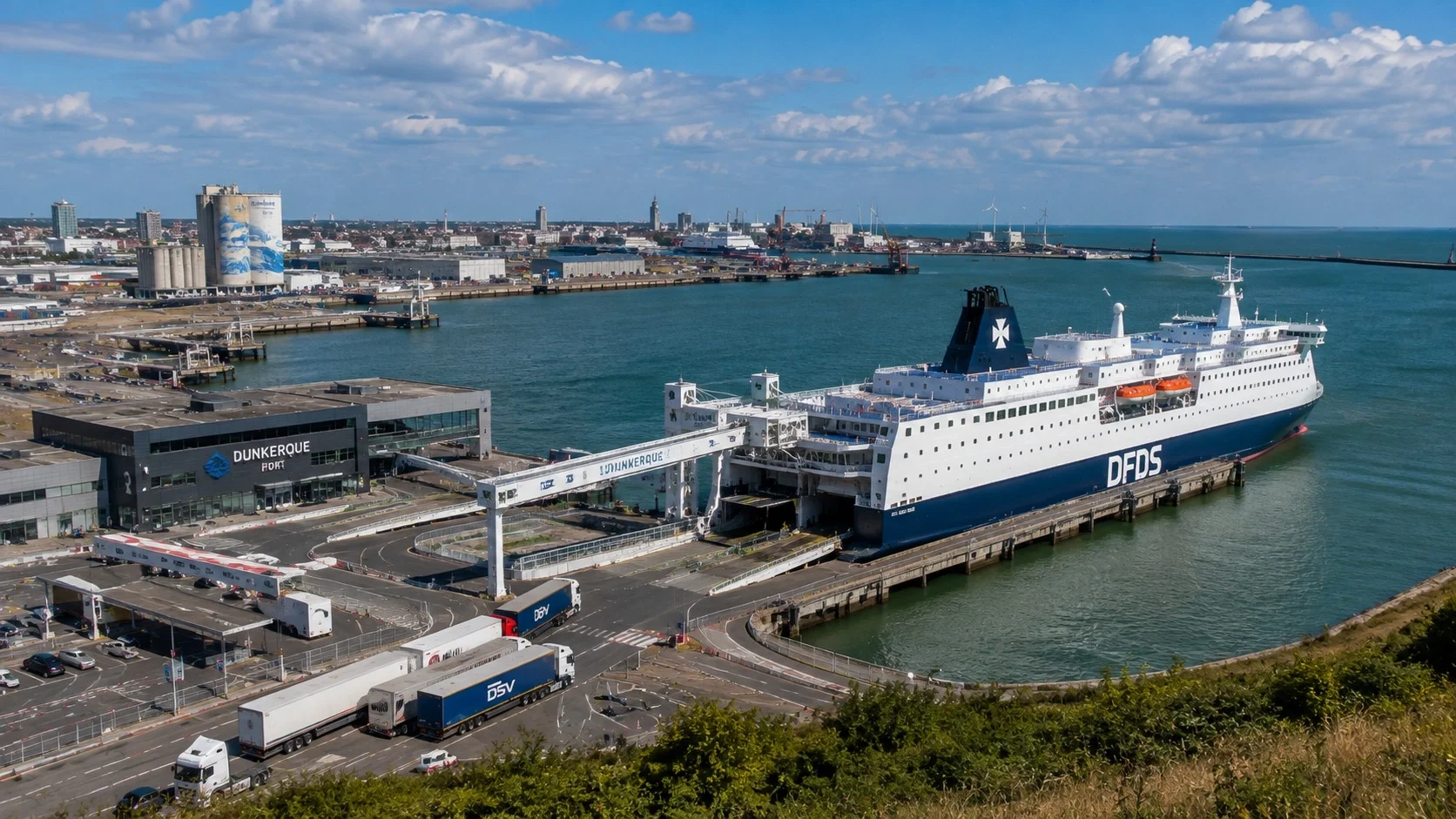
DFDS operates the Dover–Dunkirk passenger route, with a published sea-crossing time of about two hours. Regular departures connect Dover’s Eastern Docks with the car-ferry terminal at Loon-Plage. The terminal location matters: arriving in Dunkirk port does not put you in the town centre.
The route accepts cars, motorcycles, motorhomes and other correctly booked vehicles. DFDS also accepts bicycles as a booked vehicle category. It does not carry ordinary foot passengers, so walking to the terminal without an eligible vehicle booking is not an option.
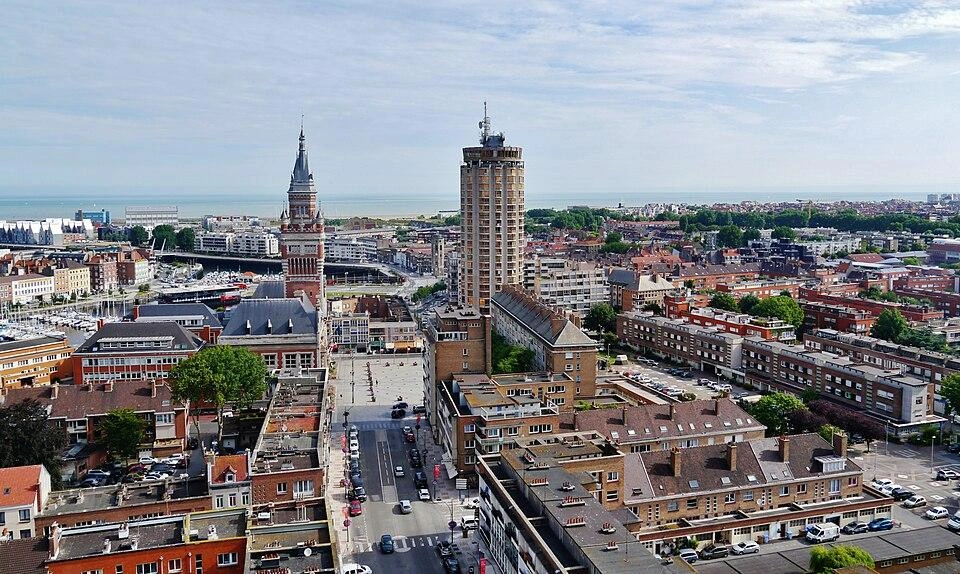
Loon-Plage can be a useful starting point for road journeys towards Belgium, Flanders and the Netherlands. Compare your final destination against a Calais arrival: a longer sea crossing can be worthwhile if the resulting road itinerary suits your trip.
Allow time before the ferry for check-in and border processing, and after arrival for unloading. France is normally one hour ahead of Dover, so use the local arrival time rather than subtracting the two clock readings as though they were in the same time zone.
Comparing a car fare with a cycle ticket
DFDS’s UK route page showed a starting price of £114 one way for a standard car carrying up to five people, including the emissions charge, on 31 October 2026. Check the price for your party on your travel date. Riding to Dover? Select a bicycle when booking. At the port follow the red cyclist line and walk the bike up the ramp when instructed. DFDS Dover to Dunkirk fares and DFDS cycling guide.
Travelling the other way? Read the
Dunkirk to Dover ferry guide.



 About 2
hours
 DFDS
 Vehicle travel
required
 Pets with a
vehicle