


Sagrada Família
See Gaudí’s extraordinary basilica, one of Barcelona’s defining landmarks; timed admission is strongly recommended.
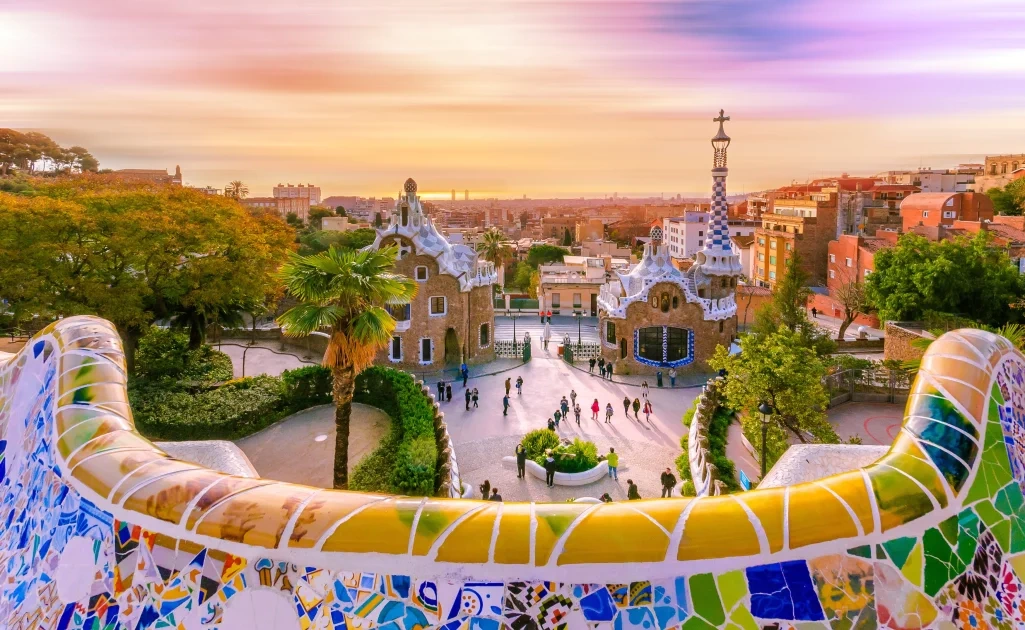
Explore Barcelona’s architecture, old quarters and Mediterranean waterfront, then plan ferry journeys to the Balearics and beyond.
The search is pre-filtered to the most relevant destination country or region where supported. Select the exact ports and travel date before booking. Click Here to view other available ferry destinations.
Click Here to view all other available ferry routes and destinations
Gaudí architecture, historic neighbourhoods and one of the Mediterranean’s busiest passenger ports
Barcelona combines a dense historic city with a long Mediterranean waterfront, making it one of Europe’s easiest places to combine a city break with onward ferry travel. The Gothic Quarter, Eixample and waterfront each have a distinct character but are linked by an extensive metro and bus network.
Gaudí’s Sagrada Família and Park Güell are the city’s headline landmarks, while the Gothic Quarter, El Born and Montjuïc add medieval streets, museums and elevated views. Barceloneta brings the beach and marina into the same itinerary.
The Port of Barcelona is a major passenger gateway for the Balearic Islands. Regular networks connect Barcelona with Mallorca and other island ports, with additional Mediterranean services varying by operator and season.
Ferry terminals are spread across the commercial port, so the operator’s check-in instructions matter. Some terminal areas are close to the lower end of La Rambla and Port Vell, while others require a shuttle, taxi or road transfer.
Barcelona Sants provides fast rail links across Spain and into France, so a ferry arrival can connect naturally with a wider rail itinerary without requiring a car.

Barcelona’s main sights are spread across several neighbourhoods, but the metro makes it easy to combine architecture, old streets and the waterfront.
See Gaudí’s extraordinary basilica, one of Barcelona’s defining landmarks; timed admission is strongly recommended.
Explore medieval lanes, cathedral squares and hidden courtyards in the oldest part of the city centre.
Combine Gaudí architecture with elevated city views from the hillside park above Gràcia.
Use the hill for museums, gardens, viewpoints and a different perspective over the port and Mediterranean.
Pair the famous market with La Rambla, El Raval and nearby historic streets.
Walk the marina and beach district for a relaxed waterfront counterpoint to the city’s architecture.
Browse architecture tours, food experiences, day trips and activities available across Barcelona and Catalonia.
Tours and activities displayed in this section are supplied through Viator. Availability, descriptions and prices are provided by the activity supplier and can change.
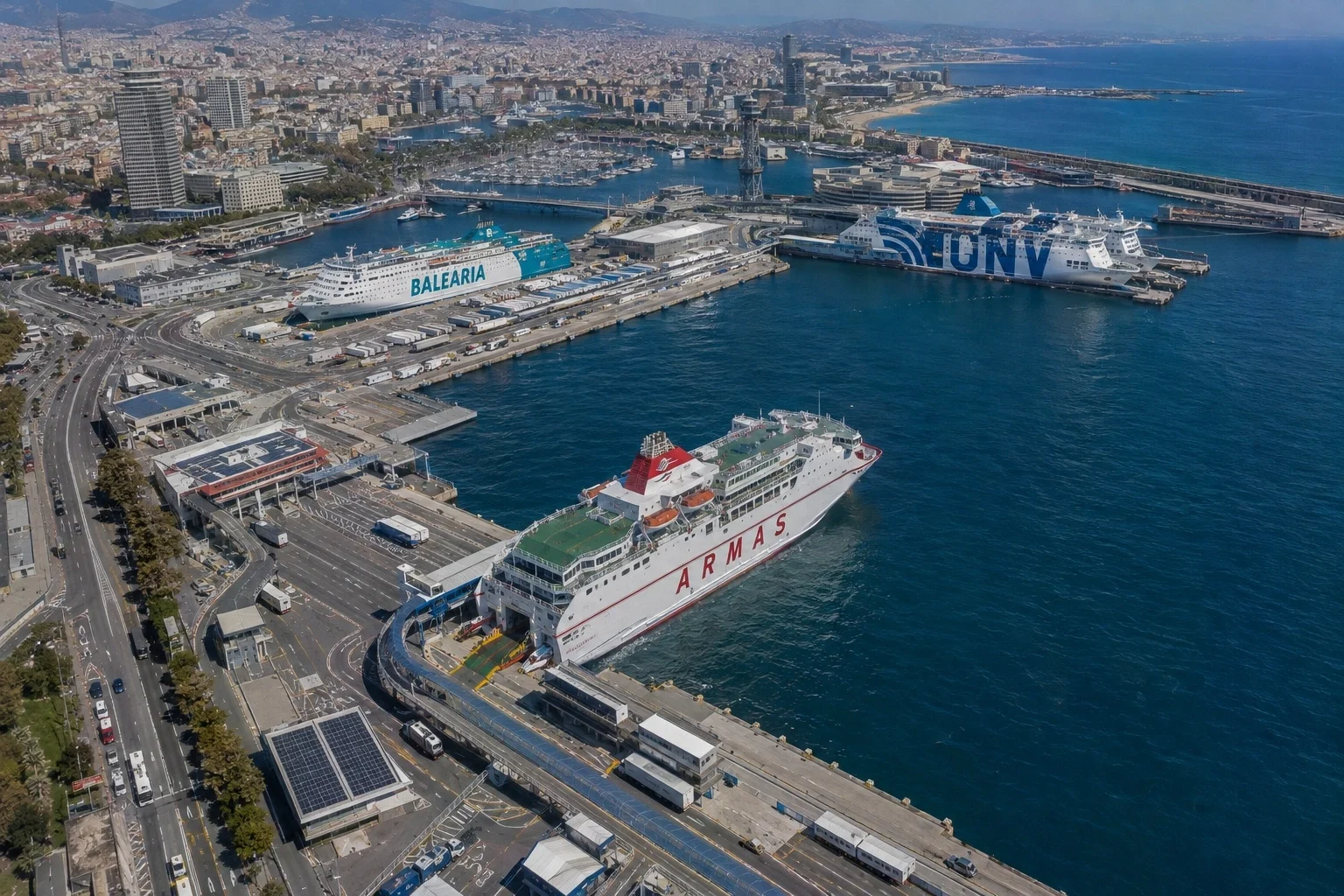
Barcelona is one of Spain’s major passenger-ferry ports, with frequent services to the Balearic Islands and additional Mediterranean routes. Mallorca is one of the most important ferry markets from Barcelona, with schedules and crossing options varying by operator and travel date.
The port has several passenger terminal areas rather than a single universal check-in point. Always use the terminal and access instructions shown by the ferry company because walking distances across the commercial port can be substantial.
Vehicle passengers should allow time for city traffic and port access, particularly around busy departure periods. Foot passengers can use taxis, public transport and port shuttle arrangements as appropriate for the assigned terminal.
Barcelona has an extensive metro, bus and suburban-rail network, making most sightseeing straightforward without a car.
The metro covers the major visitor districts, while the Gothic Quarter and waterfront are best explored on foot.
High-speed and regional trains link Barcelona with cities across Spain and international services towards France.
Find Barcelona rail tickets here...A car is more useful for Costa Brava, inland Catalonia and onward road touring than for the central city itself.
Central districts keep the main sights and transport close, while Barceloneta and the waterfront work well if the sea and port are a bigger part of your trip.
Passenger ferries use terminals within the Port of Barcelona. The exact terminal depends on operator and route, so follow the instructions on your booking.
Barcelona has extensive Balearic Island services, including Mallorca, plus additional Mediterranean routes that vary by operator and season.
Parts of the port are close to Port Vell and the lower end of La Rambla, but some ferry terminals are farther inside the commercial port and need a shuttle, taxi or road transfer.
First-time highlights include Sagrada Família, the Gothic Quarter, Park Güell, Montjuïc, La Boqueria and the Barceloneta waterfront.
No for the city centre. Metro, buses, trains and walking are usually easier; a car is more useful for wider Catalonia.
Yes on vehicle-carrying services. Book the correct dimensions and allow time for port check-in and city traffic.
Yes on relevant passenger services. Check how to reach your assigned terminal and the operator’s boarding deadline.
Three days gives a good introduction to the main sights; four or more allows neighbourhood exploration, beaches and day trips.
Check live sailing options, passenger fares, vehicle prices and onboard accommodation for your travel dates.


