


Calais Town Hall & belfry
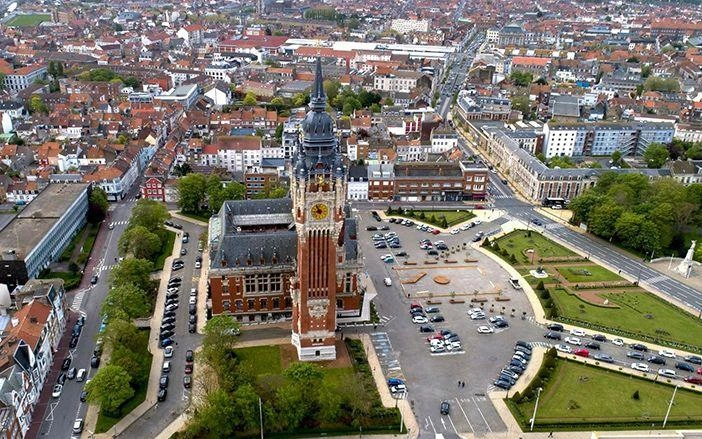
See the city’s most recognisable landmark and the Rodin sculpture group The Burghers of Calais nearby.
Discover Calais beyond the ferry terminal, from landmark architecture and lace heritage to the beach and Opal Coast, then plan the short Channel crossing to Dover.
The search is pre-filtered to the most relevant destination country or region where supported. Select the exact ports and travel date before booking. Click Here to view other available ferry destinations.
Click Here to view all other available ferry routes and destinations
Channel-side heritage, a broad sandy beach and one of Europe’s busiest short-sea gateways
Calais is often treated as somewhere to drive through, yet the city has enough character to reward travellers who allow time before or after a ferry. Its landmark town hall and belfry dominate the skyline, while the centre reflects both French and Flemish influences shaped by centuries of cross-Channel history.
The city is particularly associated with lace making. The Cité de la Dentelle et de la Mode occupies a former lace factory and explains the industrial craft that became one of Calais’ defining traditions.
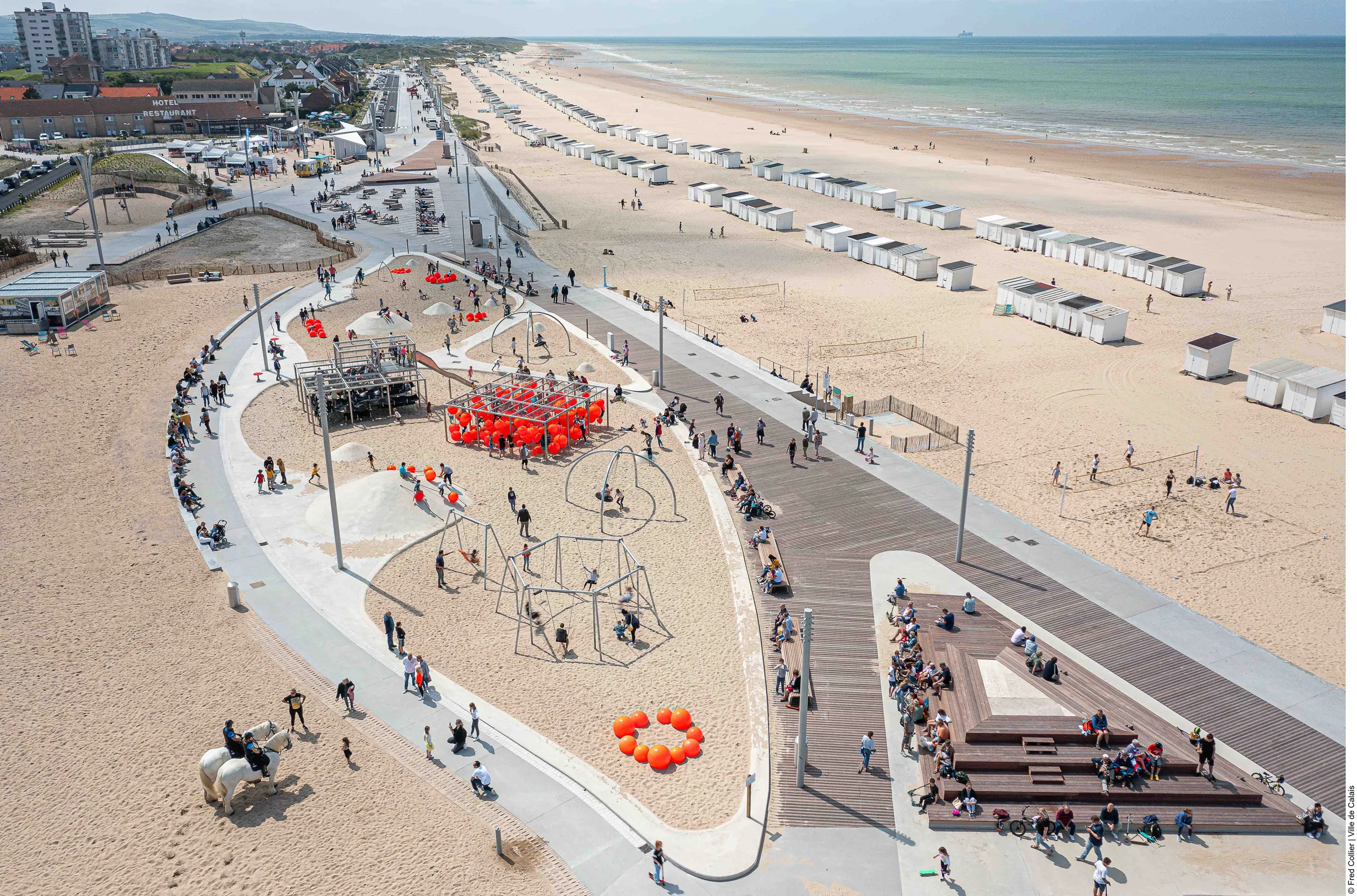
On the seaward side, Calais Beach provides a long open stretch of sand beside the Channel. The waterfront has been transformed into a more visitor-friendly area and makes an easy contrast to the working ferry port nearby.
Calais also works as a gateway to the wider Côte d’Opale. The cliffs and viewpoints around Cap Blanc-Nez and Cap Gris-Nez are within easy reach by road and can turn a ferry stop into the beginning of a coastal trip through northern France.
For ferry travellers the practical advantage is straightforward: Calais offers one of the shortest sea crossings between continental Europe and Great Britain, with a large purpose-built terminal designed around high-volume passenger and vehicle traffic.
Calais combines distinctive civic architecture and industrial heritage with a surprisingly spacious seafront and easy access to the Opal Coast.
See the city’s most recognisable landmark and the Rodin sculpture group The Burghers of Calais nearby.
Discover the machinery, fashion and social history behind the lace industry that shaped modern Calais.
Walk the broad sandy waterfront, watch Channel traffic and enjoy a less hurried side of the ferry city.
See the large mechanical dragon on the seafront, part of the city’s imaginative waterfront regeneration.
Visit the city art museum for collections that provide another perspective on Calais beyond its maritime role.
Drive west along the Opal Coast to chalk cliffs and viewpoints looking across the Channel towards England on clear days.
Browse coastal excursions, private tours and experiences around Calais, the Opal Coast and northern France.
Tours and activities displayed in this section are supplied through Viator. Availability, descriptions and prices are provided by the activity supplier and can change.
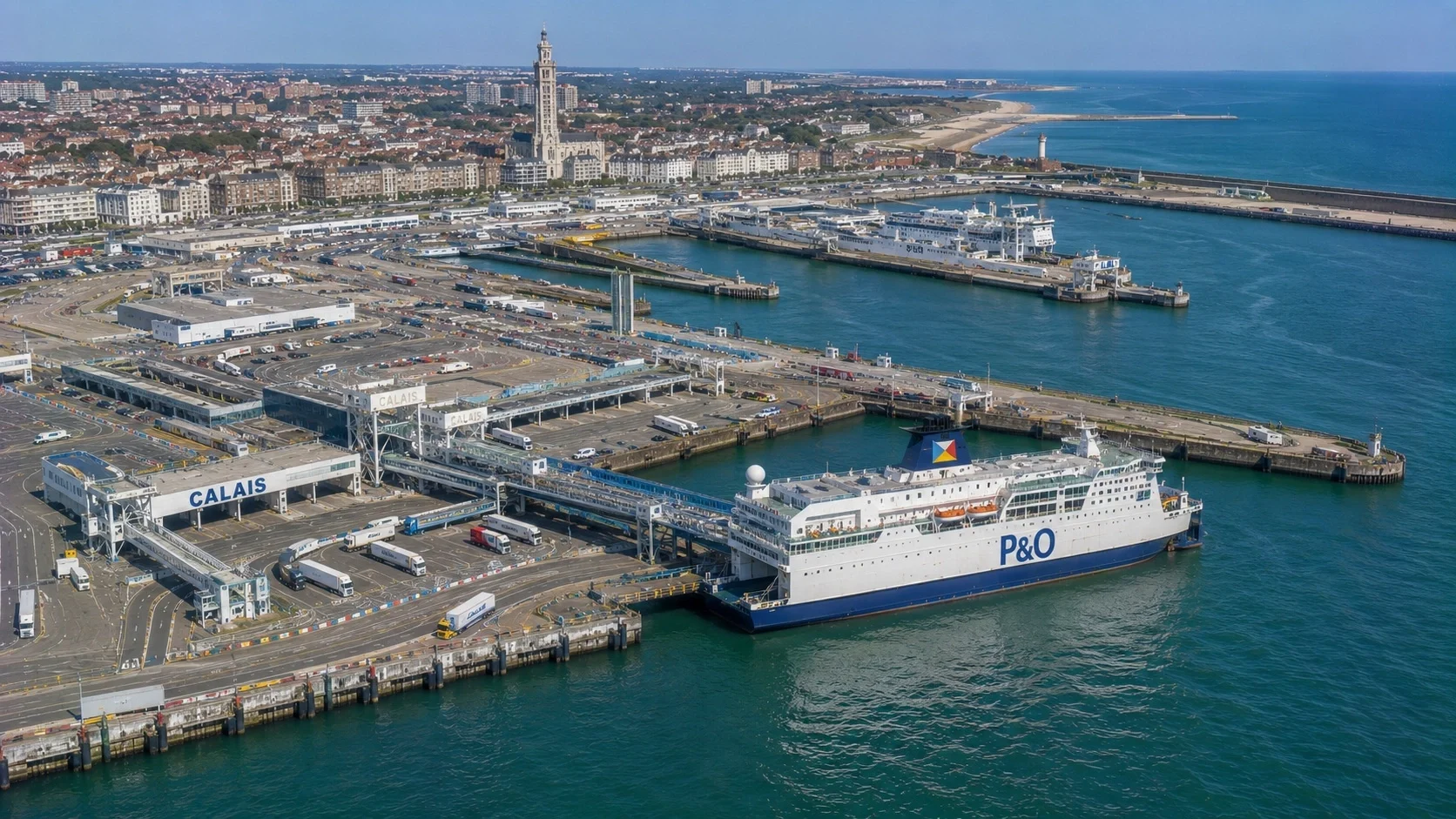
Calais is built around the short Dover–Calais corridor. P&O Ferries, DFDS and Irish Ferries operate passenger and vehicle services on the route, with exact departure patterns varying by date and operator.
The ferry terminal is a large road-oriented complex rather than a city-centre quay. Follow the signs for the operator shown on your booking and allow enough time for check-in, security and border formalities before departure.
Foot-passenger policies differ by ferry company and sailing. Travellers without a vehicle should confirm that their chosen operator accepts foot passengers and check the current terminal access arrangements before setting out.
Central Calais is easy to explore on foot, while rail and road connections make onward travel across northern France straightforward.
The town hall, main shopping streets and central museums are compact enough to combine on foot.
Calais Ville serves local and regional journeys, while Calais-Fréthun provides useful longer-distance connections.
Find Calais rail tickets here...A car gives the greatest flexibility for Cap Blanc-Nez, Cap Gris-Nez, Boulogne-sur-Mer and coastal villages.
The centre is convenient for restaurants and rail connections, while the beach area works well for a relaxed overnight stop before an early or after a late ferry.
The passenger ferry terminal is in the Port of Calais on the eastern side of the city, reached by dedicated road approaches and operator signage.
P&O Ferries, DFDS and Irish Ferries operate the Dover–Calais corridor. The exact timetable depends on your travel date.
Foot-passenger availability differs by operator and sailing. Confirm acceptance and the current terminal procedure before booking onward transport.
Highlights include the Town Hall and belfry, Cité de la Dentelle, Calais Beach, the waterfront and a trip along the Opal Coast to Cap Blanc-Nez.
Yes. Dover–Calais is a major vehicle-ferry route and carries cars and other correctly booked vehicles subject to operator rules and availability.
The port is close geographically but operates as a large separate terminal complex. Walking access is not as simple as at a small city-centre ferry quay.
Yes. Calais Ville and Calais-Fréthun provide rail connections for onward travel in France, with the most convenient station depending on your journey.
A few hours covers the main central sights; an overnight stay or full day allows time for the beach and the Opal Coast.
Check live sailing options, passenger fares, vehicle prices and onboard accommodation for your travel dates.


