


Canal Ring
Walk or cruise the UNESCO-listed canal belt for classic views of bridges, merchant houses and waterside streets.
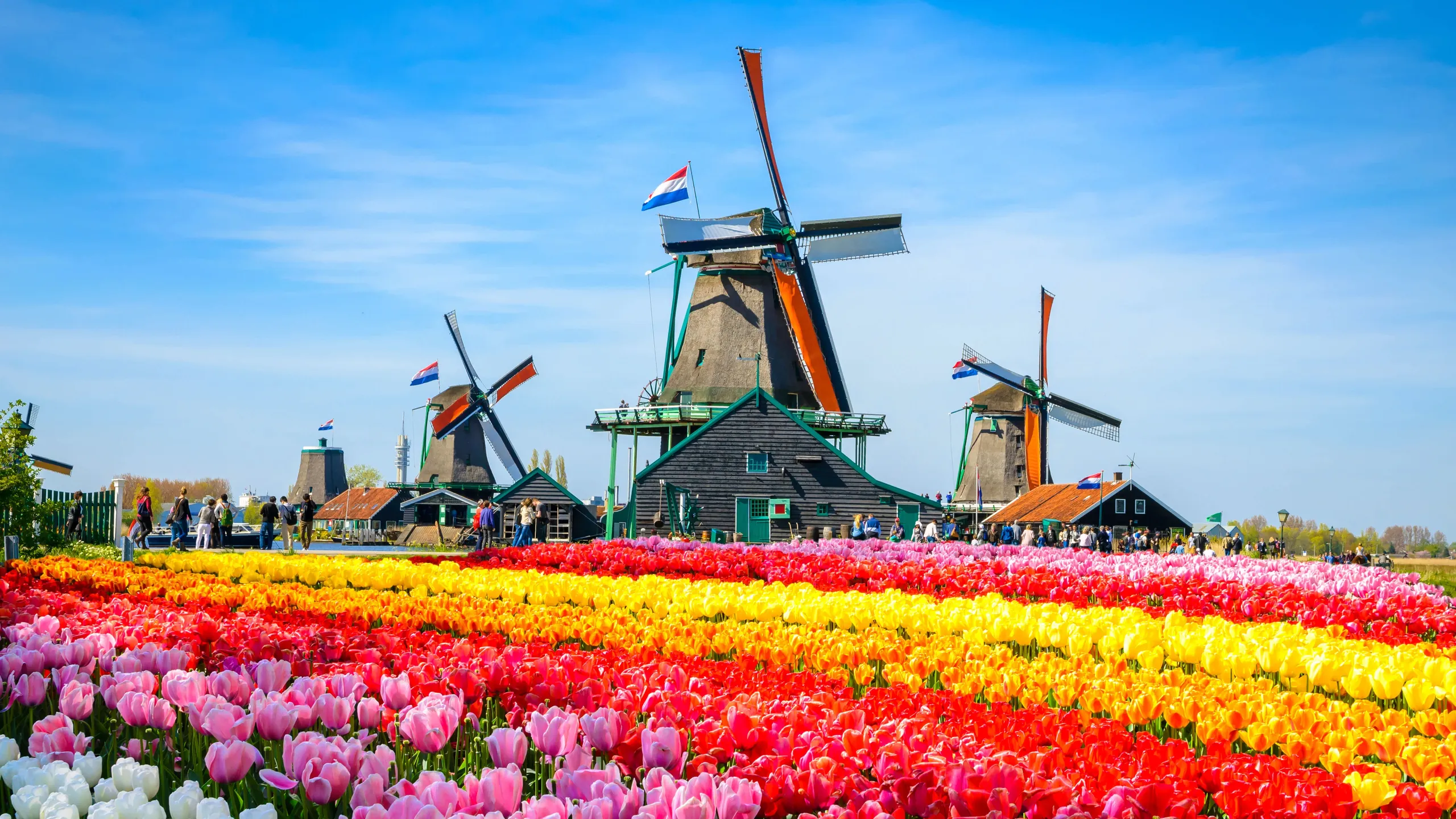
Explore Amsterdam’s canals, museums and neighbourhoods, then plan the North Sea ferry journey through nearby IJmuiden.
The search is pre-filtered to the most relevant destination country or region where supported. Select the exact ports and travel date before booking. Click Here to view other available ferry destinations.
Click Here to view all other available ferry routes and destinations
Canal-ring architecture, world-class museums and neighbourhoods made for exploring on foot
Amsterdam is built around a web of canals and compact neighbourhoods that make it unusually easy to explore without a car. The seventeenth-century canal belt, narrow gabled houses and bridges give the centre its distinctive shape, while major museums and lively districts sit within a relatively small urban area.
The Rijksmuseum, Van Gogh Museum and Anne Frank House are among the city’s best-known cultural attractions, but Amsterdam is equally rewarding at street level. Jordaan, De Pijp and the Nine Streets mix cafés, markets, independent shops and residential canals away from the busiest squares.
For ferry travellers, Amsterdam itself is not the conventional North Sea passenger-ferry terminal. The practical gateway is IJmuiden on the coast, where the DFDS service from Newcastle arrives and departs. Road and coach transfers then connect the port area with Amsterdam.
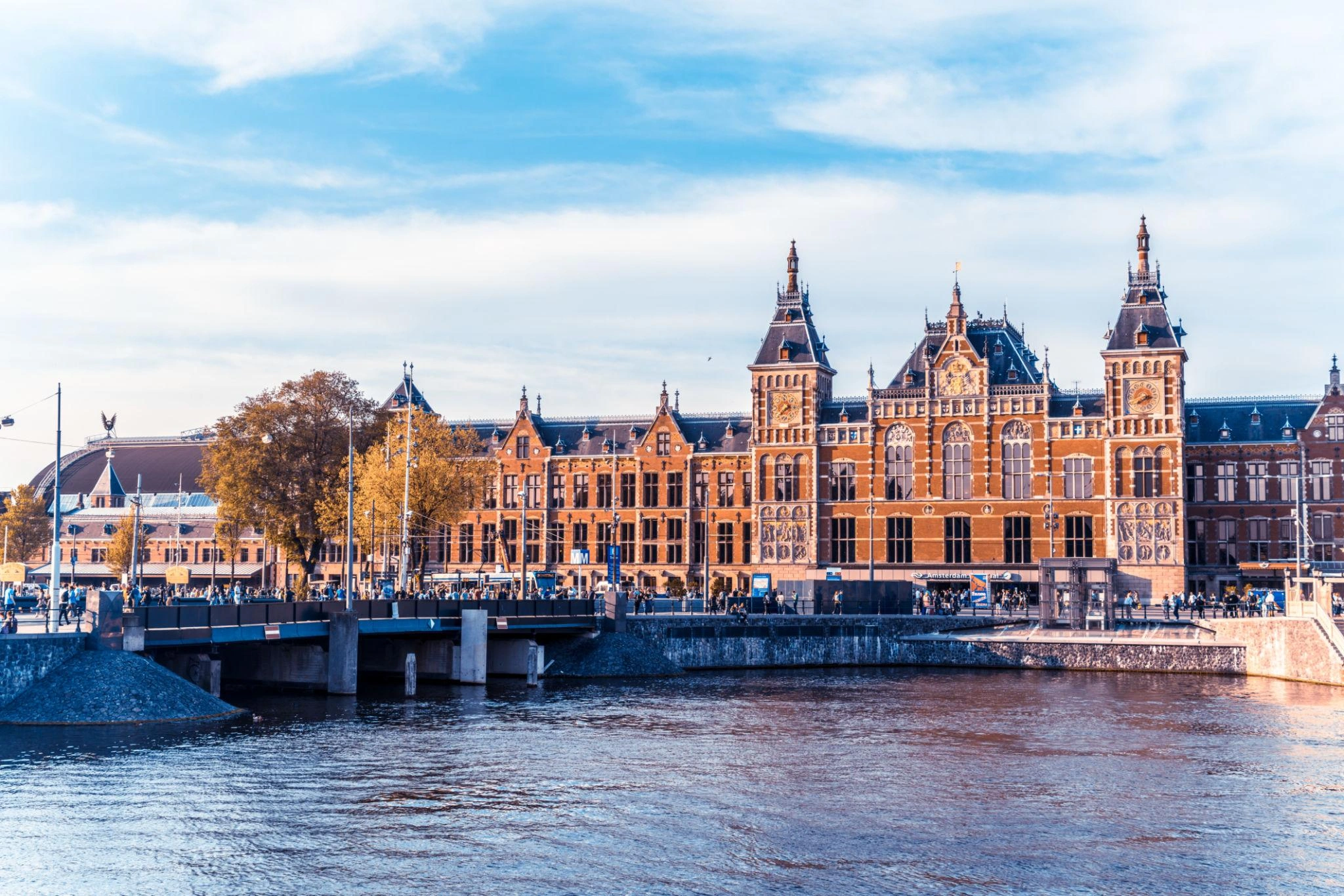
Once in the city, trams, metro services, buses and frequent trains make most sightseeing straightforward. Amsterdam Centraal is the main interchange for regional and international rail, while cycling and walking remain the most characteristic ways to cover shorter distances.
A longer stay also opens easy day trips to Haarlem, Zaanse Schans, the Dutch coast and other cities across the Randstad, so Amsterdam works well both as a city break and as the start or finish of a wider ferry-and-rail journey.
The centre is compact enough to combine several major sights in a day, while different neighbourhoods reward slower exploration.
Walk or cruise the UNESCO-listed canal belt for classic views of bridges, merchant houses and waterside streets.
Explore Dutch art and history in the Museum Quarter, including works by Rembrandt and other major masters.
Wander atmospheric canals, cafés, small galleries and independent shops just west of the historic centre.
Visit one of Amsterdam’s most significant historic sites; timed admission should be planned well in advance.
Take a break from the city streets in Amsterdam’s best-known green space beside the Museum Quarter.
Combine neighbourhood cafés with the long-running Albert Cuyp market and an easy-going local atmosphere.
Browse canal cruises, museum experiences, walking tours and day trips available in Amsterdam and the surrounding region.
Tours and activities displayed in this section are supplied through Viator. Availability, descriptions and prices are provided by the activity supplier and can change.
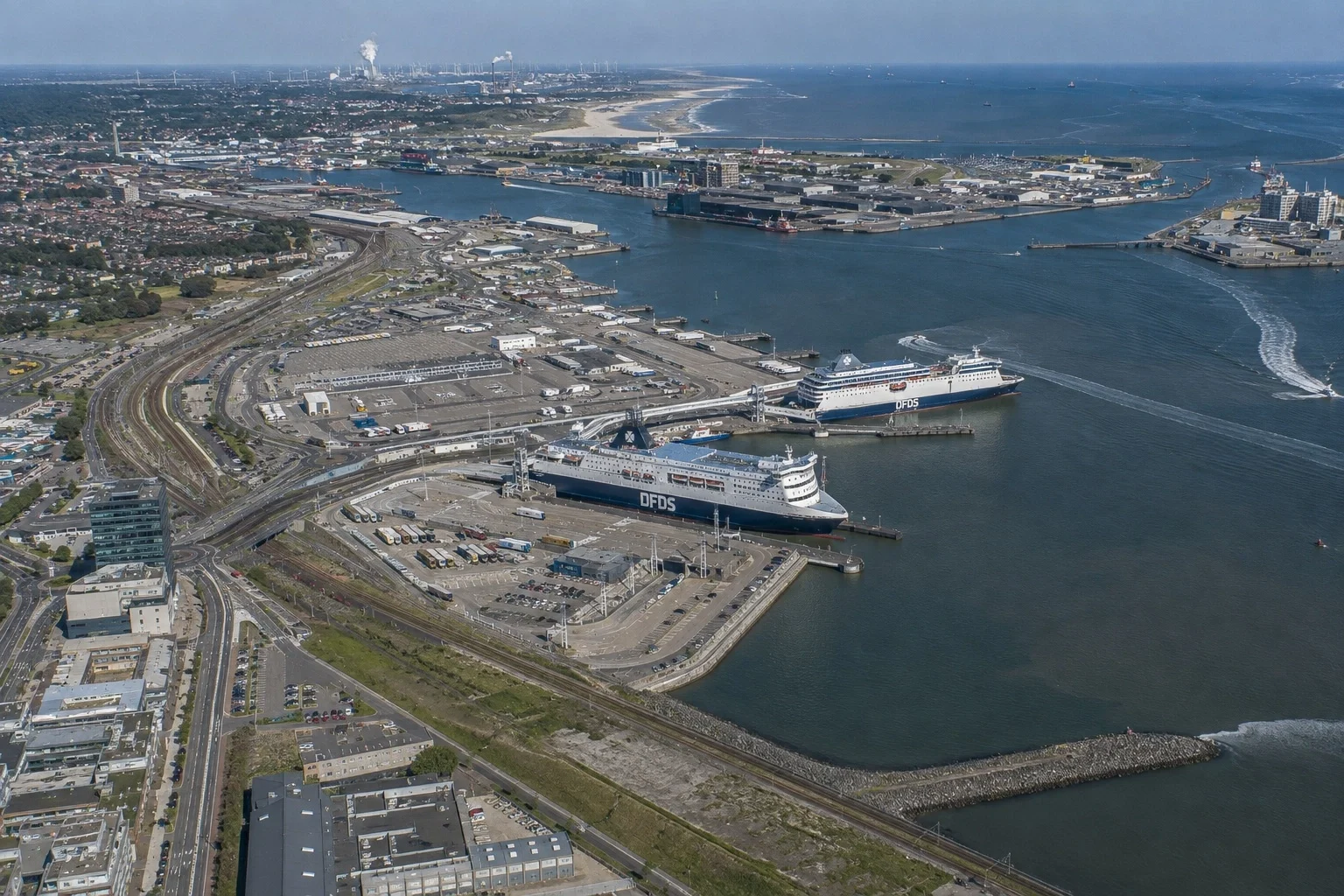
Amsterdam’s practical long-distance passenger-ferry gateway is IJmuiden, on the North Sea coast west of the city. DFDS operates the overnight route linking IJmuiden with Newcastle, providing a useful option for passengers travelling between northern England and the Netherlands with or without a vehicle.
The DFDS passenger terminal is at Felison Terminal in IJmuiden. It is outside Amsterdam, so allow transfer time between the ferry and your city accommodation or onward rail connection. DFDS offers transfer options on relevant sailings, while taxis and road connections are also available.
Vehicle passengers can drive directly from the terminal towards Amsterdam and the Dutch motorway network. Foot passengers should plan the terminal transfer before travel because IJmuiden does not have a direct mainline rail station at the ferry terminal.
Amsterdam is one of Europe’s easiest major cities to navigate without a car, with dense public transport and excellent rail connections.
The canal centre is highly walkable, while trams and metro services cover longer urban journeys.
The central station connects Amsterdam with Schiphol, Dutch cities and international rail services.
Find Amsterdam rail tickets here...A car is more useful for coastal trips and wider Netherlands touring than for sightseeing inside central Amsterdam.
Central neighbourhoods keep the main sights and transport convenient, while areas just outside the Canal Ring can offer a quieter base with fast tram or metro access.
No. The conventional North Sea passenger ferry uses IJmuiden on the coast. Travellers then transfer by road, coach or taxi to Amsterdam.
DFDS operates the Newcastle–IJmuiden passenger and vehicle route. IJmuiden is the ferry gateway used for onward travel to Amsterdam.
Use the transfer option provided for your sailing where available, or arrange a taxi or other road transfer. Plan the connection before travel, especially as a foot passenger.
Popular first-time highlights include the Canal Ring, Rijksmuseum, Anne Frank House, Jordaan, Museum Quarter and a canal cruise.
No. Walking, cycling, trams, metro and trains are generally easier for city sightseeing. A car is more useful for touring beyond Amsterdam.
Yes. The route carries vehicles subject to availability; enter accurate vehicle dimensions when booking.
Yes. Amsterdam Centraal has extensive domestic and international rail connections, making it easy to continue without a car.
Two or three days gives a good introduction to the main museums, canals and neighbourhoods, while a longer stay allows easy day trips.
Check live sailing options, passenger fares, vehicle prices and onboard accommodation for your travel dates.


