


Zeebrugge Beach
Walk the wide sandy North Sea beach and promenade on the seaward side of town.
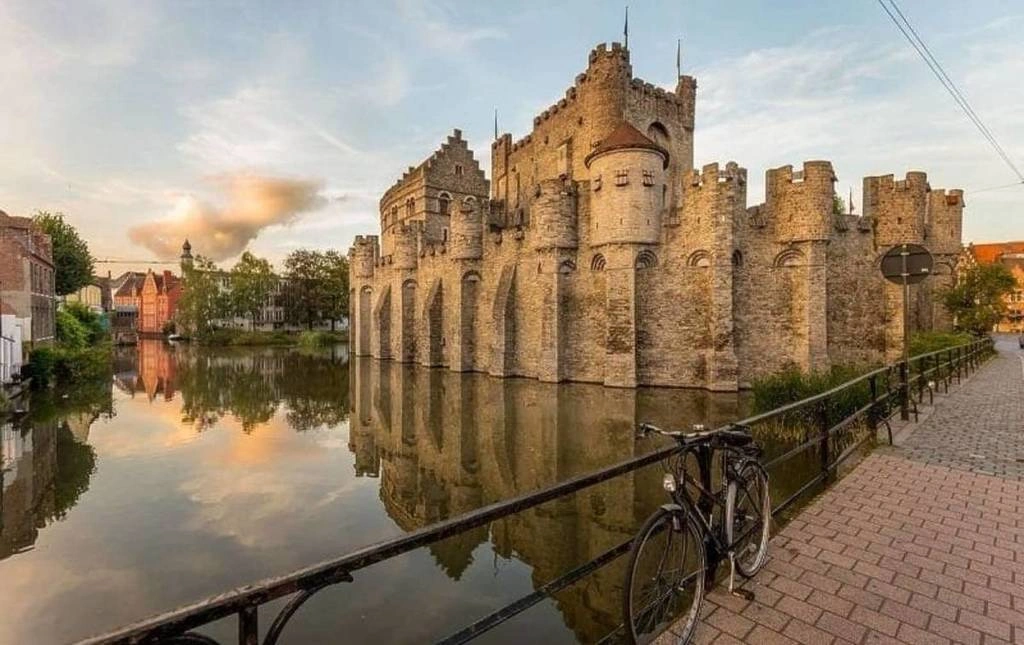
Explore Zeebrugge’s North Sea beach, marina and coastal character, with Bruges close inland, while using FerryEU to plan onward passenger-ferry journeys through today’s active Channel and North Sea gateways.
The search is pre-filtered to the most relevant destination country or region where supported. Select the exact ports and travel date before booking. Click Here to view other available ferry destinations.
Click Here to view all other available ferry routes and destinations
Zeebrugge is Belgium’s major North Sea port and a practical coastal base for Bruges, but its modern passenger role is now centred on cruise traffic rather than regular car ferries.
Zeebrugge developed around one of Europe’s major deep-water ports, yet the seafront still has the feel of a small Belgian coastal resort. A broad sandy beach, marina and promenade sit alongside a working harbour landscape of locks, terminals and ships.
The beach is the easiest place to slow the pace after a road journey. The long shoreline suits walking and cycling, while the marina and fish restaurants reflect the town’s continuing relationship with the North Sea.
Bruges is the obvious inland companion destination. Its canals, medieval squares and historic streets are close enough for an easy day trip, which is why Zeebrugge remains an important arrival point for cruise visitors exploring Flanders.
The wider Belgian coast is linked by the coastal tram, making places such as Blankenberge, Knokke-Heist and Ostend straightforward to combine with Zeebrugge without relying entirely on a car.
For ferry travellers, it is important to distinguish the port’s present role from its history. The former Hull–Zeebrugge passenger ferry is no longer part of P&O Ferries’ current passenger network, and scheduled ro-ro activity at Zeebrugge is now principally freight-focused.
Travellers wanting a conventional passenger-and-vehicle ferry should therefore plan through an active nearby gateway in northern France or the Netherlands, then continue by road or rail into Belgium. Zeebrugge itself remains highly relevant for cruise calls, freight shipping and coastal travel.
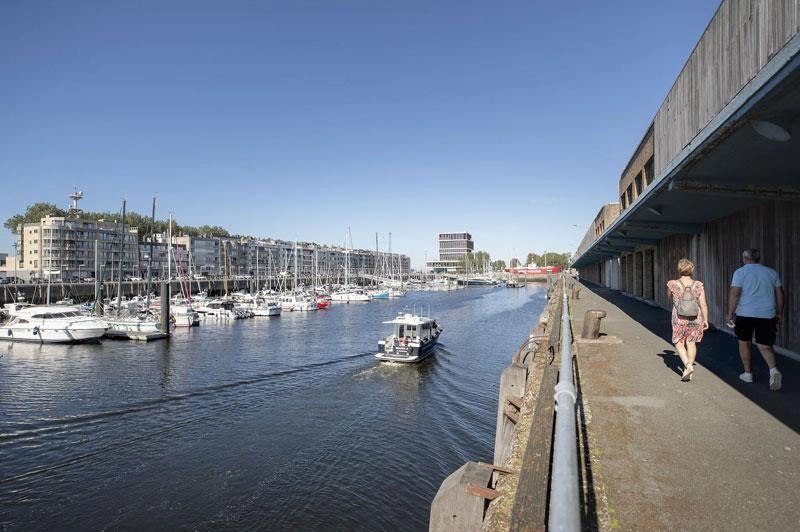
Zeebrugge offers a broad North Sea beach, a working maritime character and quick access to Bruges and the rest of the Belgian coast.
Walk the wide sandy North Sea beach and promenade on the seaward side of town.
See yachts, fishing activity and waterfront restaurants around the harbour-side marina.
Travel inland to the UNESCO-listed historic centre, canals, Markt and medieval architecture of Bruges.
Use the coastal tram to link Zeebrugge with Blankenberge, Knokke-Heist, Ostend and other seaside towns.
Experience the scale of a major European seaport from public coastal and harbour-side viewpoints.
Try North Sea fish, shrimp and Belgian coastal dishes in local restaurants and nearby seaside towns.
Browse Bruges tours, Belgian coast excursions and Flanders experiences that can be combined with a stay in Zeebrugge.
Tours and activities displayed in this section are supplied through Viator. Availability, descriptions and prices are provided by the activity supplier and can change.
If your journey requires a conventional passenger ferry with a car, plan via an active terminal such as Calais, Dunkirk, Rotterdam or Hook of Holland according to your origin and route, then continue overland to Zeebrugge or Bruges.
There is currently no regular scheduled passenger-car ferry from Zeebrugge comparable with the former Hull service. P&O Ferries’ current 2026 passenger route list includes Dover–Calais, Hull–Rotterdam and Cairnryan–Larne, but not Hull–Zeebrugge.
Zeebrugge is part of the Port of Antwerp-Bruges and remains a major ro-ro, automotive, container and cruise port. Cruise passengers use facilities around the ABC Tower and Swedish Quay, with port shuttles connecting ships and the terminal exit.
Zeebrugge is compact, and the Belgian coastal tram and local rail links make Bruges and neighbouring seaside towns easy to reach without a car.
The Kusttram runs along the Belgian coast and links Zeebrugge with Blankenberge, Knokke-Heist, Ostend and other resorts.
Local rail and bus connections make Bruges an easy inland excursion from the coast. Find Zeebrugge and Bruges rail tickets here...
Drivers can reach active Channel or Dutch ferry terminals by road when their itinerary requires a scheduled passenger-and-vehicle crossing.
Choose Zeebrugge for the sea, marina and relaxed coast, or stay in Bruges for historic atmosphere while keeping the port and Belgian coast within easy reach.
No regular scheduled passenger-car ferry currently operates from Zeebrugge. The port’s passenger activity is primarily cruise-related.
No. P&O Ferries’ current passenger network includes Hull–Rotterdam rather than the former Hull–Zeebrugge route.
It is a major freight, automotive, container and cruise port within the Port of Antwerp-Bruges.
Depending on your journey, practical active gateways include Calais, Dunkirk, Rotterdam and Hook of Holland.
Yes. Port of Antwerp-Bruges states that cruise embarkation is possible, with booking and practical arrangements handled through the cruise company or travel agent.
Visit the beach and marina, explore the Belgian coast and make time for nearby Bruges.
Rail, bus and road connections link the coast with Bruges; the coastal tram also connects Zeebrugge with neighbouring resorts.
Yes. Confirm the actual passenger departure port on your booking because current conventional passenger ferries depart from other Channel or North Sea terminals, not Zeebrugge.
Check live sailing options, passenger fares, vehicle prices and onboard accommodation for your travel dates.


