


Mont Saint-Clair
Head to Sète’s high point for panoramic views over the city, Mediterranean and Étang de Thau.
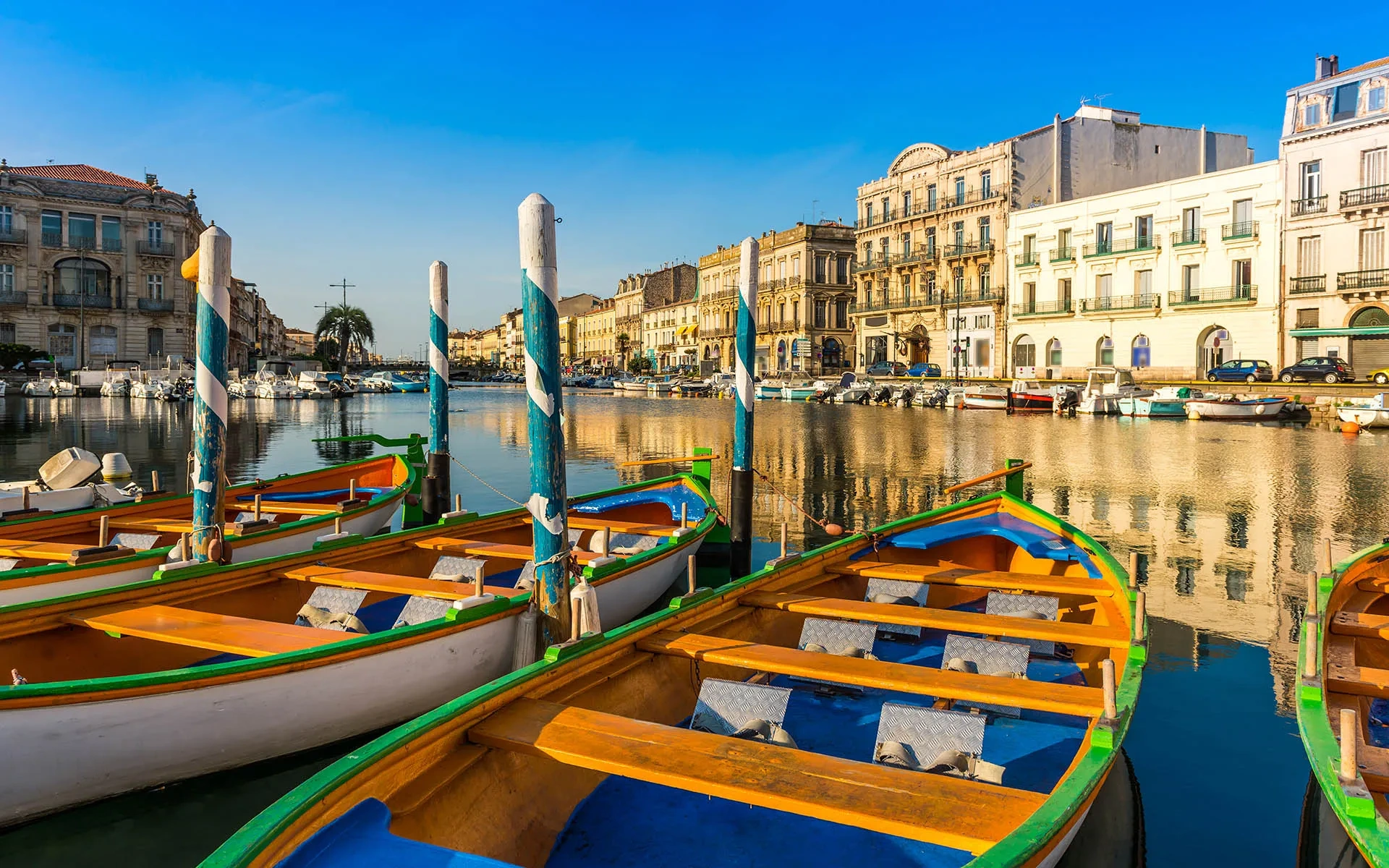
Discover Sète’s canals, seafood and Mediterranean character, then use its international ferry port for long-distance routes to Morocco and Algeria.
The search is pre-filtered to the most relevant destination country or region where supported. Select the exact ports and travel date before booking. Click Here to view other available ferry destinations.
Click Here to view all other available ferry routes and destinations
Sète is a characterful Mediterranean port city of canals, fishing boats and seafood, with long-distance passenger ferries linking southern France to North Africa.
Sète is built between the Mediterranean and the Étang de Thau, giving the city an unusually watery layout of canals, bridges and working quays. Its fishing identity remains visible throughout the centre rather than being confined to a separate port district.
Mont Saint-Clair rises above the city and is the best place for orientation. From the viewpoints near the summit, the panorama stretches across Sète’s rooftops, the lagoon, long beaches and the narrow coastal strip towards Agde.
The central canals are made for slow exploration. Cafés, fish restaurants and market streets sit close to the quays, while Les Halles is a good place to sample shellfish, local produce and the city’s famous tielle sétoise.
West of the centre, a long band of Mediterranean beach provides a completely different pace. Cycling and walking routes make it easy to combine a city stay with time on the sand without leaving Sète.
The wider Étang de Thau area is known for oyster and mussel farming, and villages such as Bouzigues make rewarding short excursions for travellers with extra time before a ferry.
Sète’s international ferry operations are more demanding than a short European crossing. Routes to Morocco and Algeria involve passport and customs formalities, so travellers should allow the substantial check-in time specified by the operator and verify entry documents well before departure.
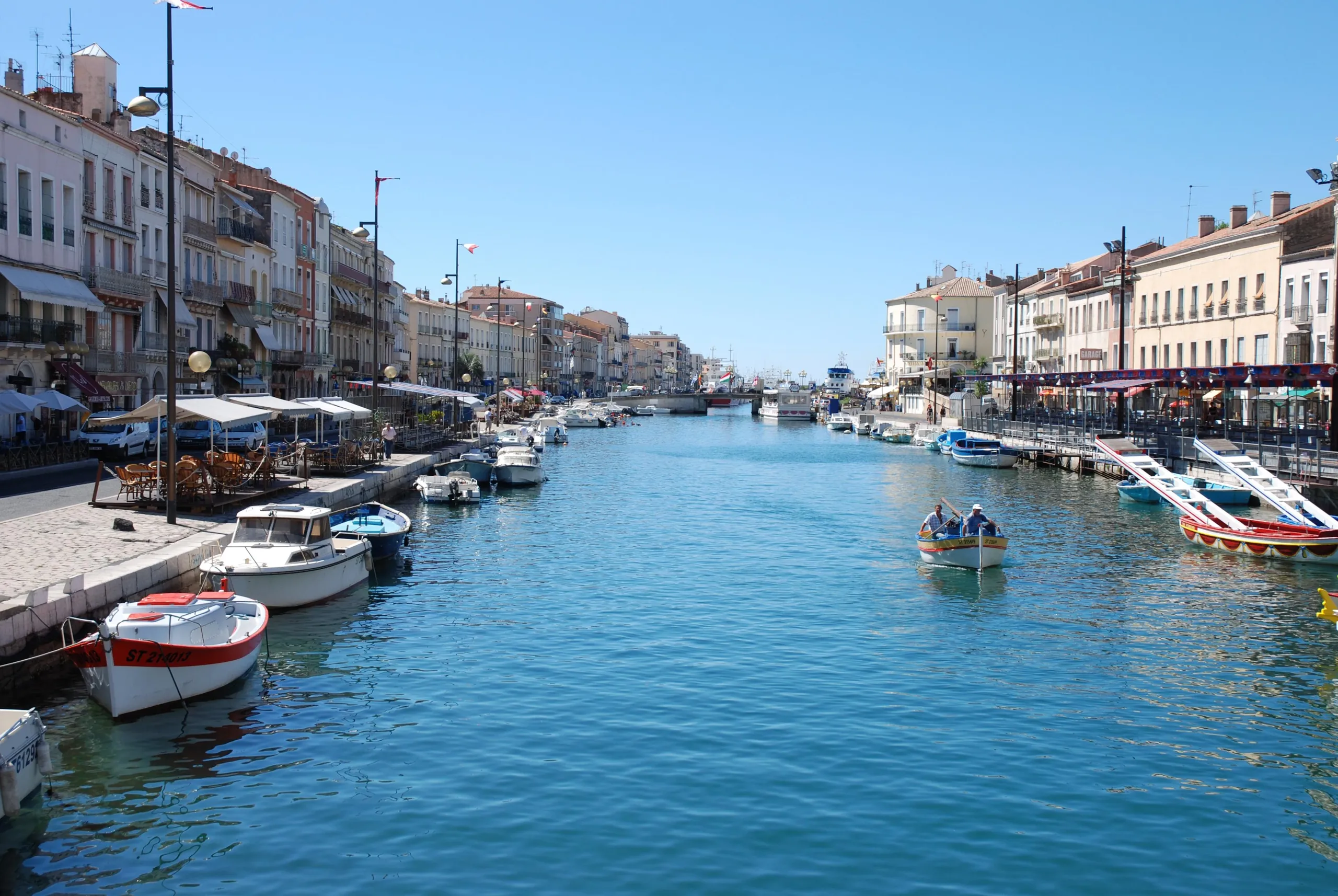
Sète combines canals, hilltop views, Mediterranean beaches and one of southern France’s strongest seafood cultures.
Head to Sète’s high point for panoramic views over the city, Mediterranean and Étang de Thau.
Walk the central canal and quays that give Sète its distinctive maritime character.
Browse the covered market for seafood, local produce and regional specialities.
Relax on the long sandy shoreline west of the centre or follow the coastal cycle route.
Explore the lagoon landscape and nearby oyster villages such as Bouzigues.
Visit the museum above the marine cemetery for art, literature and views across the sea.
Browse Sète food tours, lagoon experiences and Mediterranean excursions to combine with your international ferry journey.
Tours and activities displayed in this section are supplied through Viator. Availability, descriptions and prices are provided by the activity supplier and can change.
GNV uses the Port of Sète for long-distance passenger and vehicle ferries to North Africa. The operator lists the port access at 2–124 Avenue du Maréchal Juin, with the ticket office at Gare Maritime Orsetti, 34200 Sète.
Current GNV routes from Sète include Moroccan services to Tangier and Nador and Algerian services to Algiers and Béjaïa. Frequencies vary by season, so use the live booking calendar for the exact sailing available on your travel date.
International embarkation requires much more time than a short domestic ferry. GNV currently advises passengers on international lines to report about four hours before departure, with check-in closing before the ship sails; confirm the latest requirement shown on your booking.
Central Sète is easy to explore on foot, while rail, road and cycle links connect the city with Montpellier, the coast and the Étang de Thau.
The central quays, market, Canal Royal and waterfront are close together and suit walking; local buses cover beaches and outer districts.
Sète station has useful regional connections towards Montpellier, Béziers and Narbonne, with onward national rail links. Find Sète rail tickets here...
Drivers heading to or from the ferry can connect with the A9 motorway for Montpellier, Perpignan, Spain and the wider south of France.
The canal quarter is best for atmosphere, restaurants and walking, while the western beach area suits travellers who want a more relaxed coastal stay before or after a long ferry crossing.
GNV uses the Port of Sète, with access at 2–124 Avenue du Maréchal Juin and the ticket office at Gare Maritime Orsetti, 34200 Sète.
Current GNV passenger routes include Tangier and Nador in Morocco and Algiers and Béjaïa in Algeria, with frequencies varying by season.
Yes. The North Africa routes are vehicle ferries and accept cars and other booked vehicle types as well as foot passengers.
GNV currently advises international passengers to report around four hours before departure. Always follow the exact check-in deadline on your booking.
Yes. These are international routes outside the EU Schengen travel area, so check passport, visa, vehicle and customs requirements for your nationality and destination before travel.
Popular choices include Mont Saint-Clair, the central canals, Les Halles, the Mediterranean beaches, Étang de Thau and Musée Paul Valéry.
Yes. Sète has a railway station with regional connections towards Montpellier, Béziers and Narbonne and onward links across France.
Yes. North Africa sailings are long-distance services with seasonal demand, vehicle capacity and cabin requirements, so advance booking is strongly advisable.
Check live sailing options, passenger fares, vehicle prices and onboard accommodation for your travel dates.


